


A Backyard Does Not Have to Start Pretty
I used to think a “real” garden started with expensive raised beds, a perfect plan, and someone who actually knew what they were doing.
Mine started with blackberry bushes, ivy, old logs, broken trees, and an excavator that was supposed to be at my house for about three hours. Five or six full days later, I had learned my first important lesson about backyard projects: they nearly always show you something you did not expect.
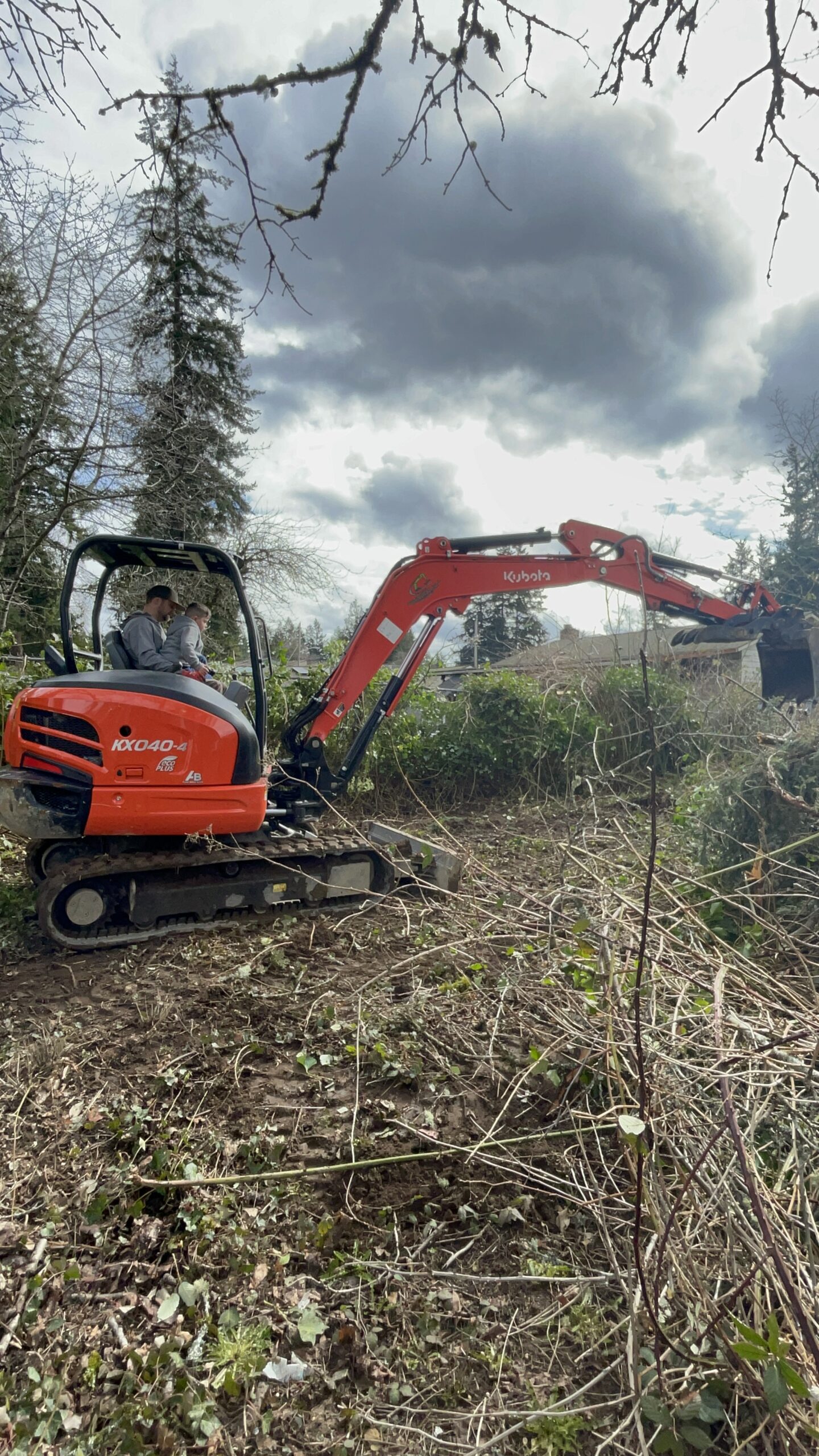
I also learned that you do not need a Pinterest-perfect yard, or a giant budget, to create an outdoor space you love. You need to be willing to start ugly, pay attention to what your yard is telling you, and make choices that fit the way you actually live.
That matters in Renton, where our yards come with their own personalities: mature trees, shade, slopes, older landscaping, wet ground, and blackberry bushes that occasionally behave as though they own the property.
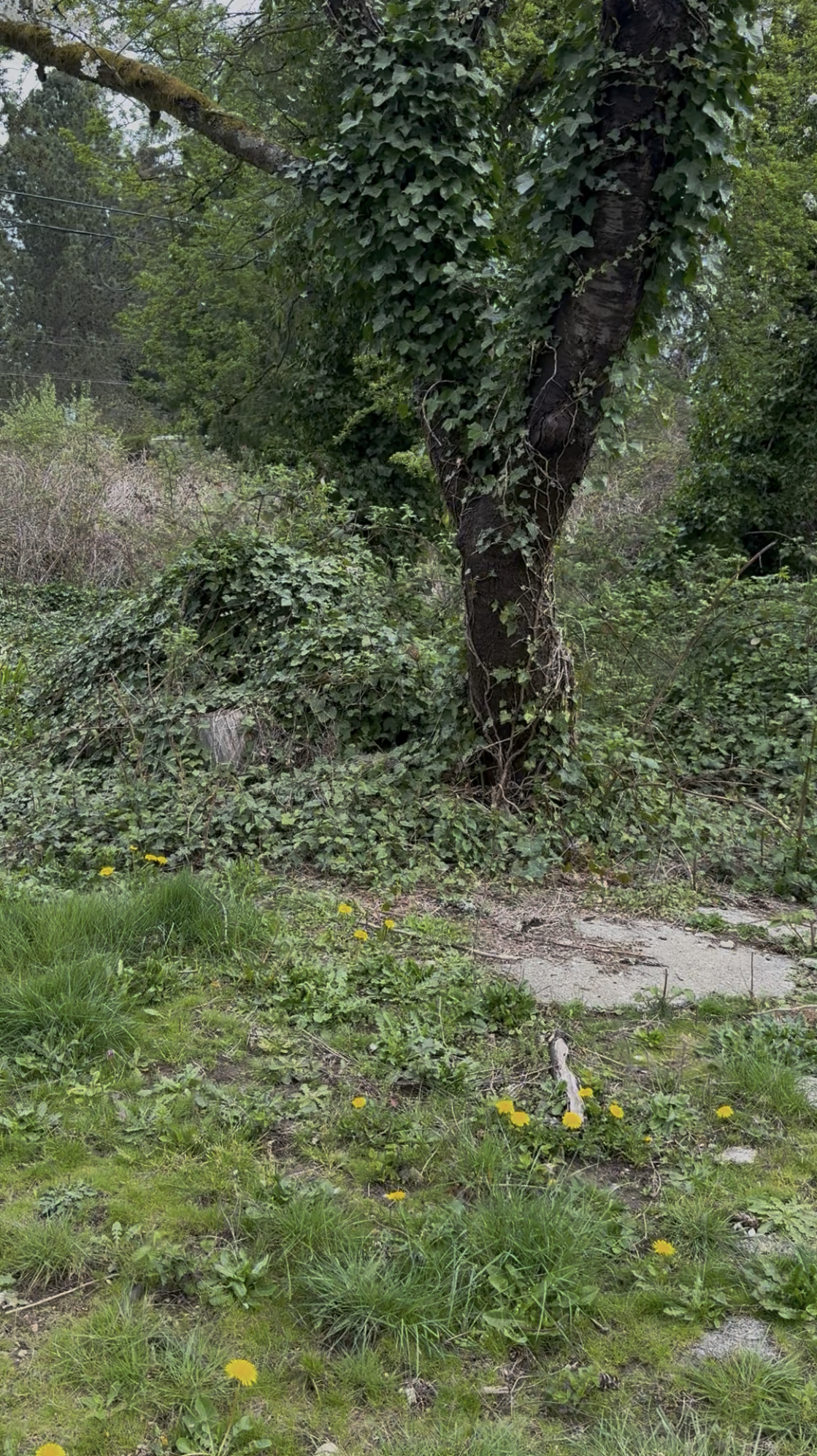
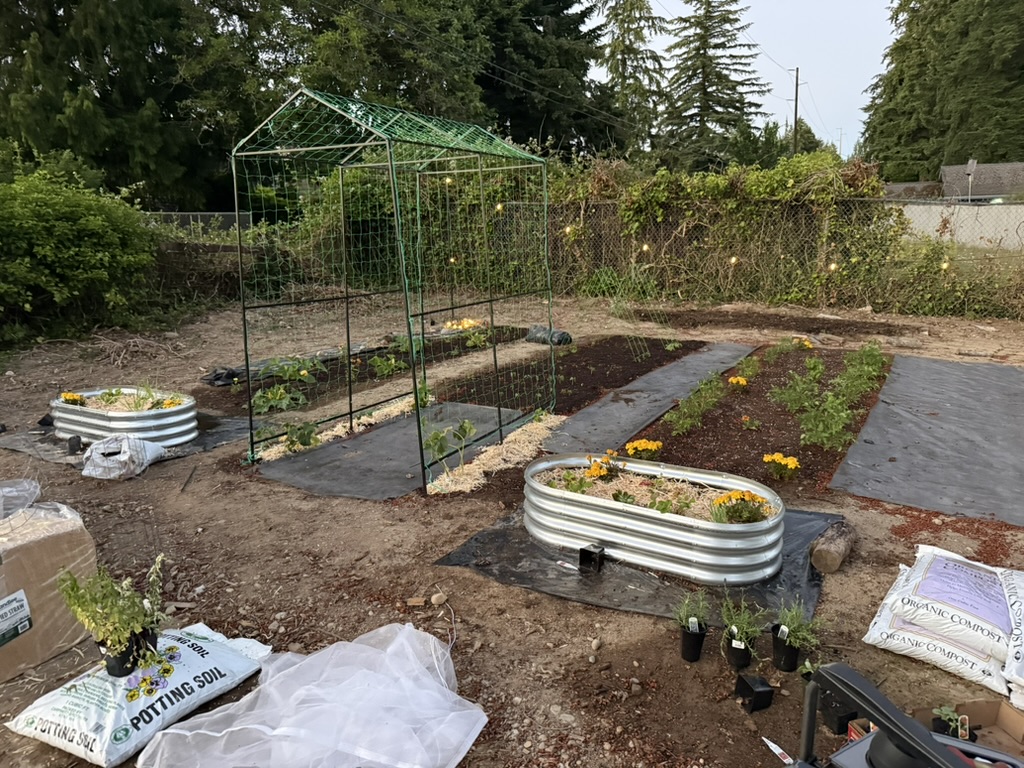
My version of an outdoor living space became a garden. Yours might be a place for dinner, a covered chair where you can drink coffee in February, room for kids to play, or simply a backyard that no longer feels like another unfinished project.
If you want your backyard to become one of your favorite rooms in the house, here is where I would start.
Start With the Life You Actually Live
Before you price out a deck, buy furniture, or save 47 pictures of outdoor kitchens, ask one simple question: What do I actually want to do out here?
Maybe you want a dry place for your morning coffee. Maybe you want to eat dinner outside without balancing a plate on your lap. Maybe you need a spot where the kids or dog can play while you can still see them from the house. Or maybe you want a chair in the middle of your garden where nobody asks you for anything for 20 minutes.
You do not need a backyard that does everything. In fact, trying to fit every possible feature into one yard is how spaces become expensive, crowded, and strangely hard to use.
I tell homeowners the same thing I tell clients thinking about improvements inside their home: do not design for an imaginary future buyer, or an imaginary version of yourself who hosts 30 people every weekend. Build for the life you actually live. Thoughtful, useful improvements usually age better than a long list of trendy features.
Give Yourself One Place That Stays Dry
If there is one change that can make a Renton backyard more usable, it is creating one dependable place where you can sit without checking the weather app every six minutes.
That might be a covered patio, a roofed pergola, a small pavilion, or a simple seating area tucked beneath an existing overhang. It does not have to cover the entire backyard. It just needs to protect the part you are most likely to use.
Pay attention to light before choosing a solid roof. Many Renton homes already have shaded yards or rooms that feel dark during the winter. A cover that keeps you perfectly dry but takes away the little natural light reaching your kitchen may not feel like an improvement. Translucent panels, an adjustable cover, or a different location can sometimes give you a better balance.
Also notice how the space connects to the house. If using it requires carrying dinner down wet steps, around the corner, and across the lawn, you probably will not use it as often as you imagine.
Solve the Water Problem Before the Pretty Problem
Drainage is not the glamorous part of a backyard project. It is, unfortunately, the part that can ruin all the glamorous parts.
Before adding a patio, deck, walkway, or planting bed, watch what happens during a real stretch of rain. Where does water collect? Which section stays muddy? Do your downspouts empty near the house? Does water move toward the foundation or a neighboring property?
A beautiful patio is not very useful when one corner grows moss faster than you can clean it, or when getting to it requires stepping around a puddle from October through April.
This is also where my real-estate brain kicks in. Drainage problems may be invisible during a sunny showing, but homeowners notice them very quickly after a week of November rain. Fixing the underlying water problem is usually a better investment than decorating over it.
Choose Materials for Your Real Maintenance Personality
There is the person we imagine we will be: the person who oils the wood furniture on schedule, stores every cushion before it rains, and cleans the deck before it turns green. Then there is the person we actually are.
Design for the second person.
Composite decking can reduce some maintenance, but it still needs cleaning. Wood is beautiful, but it needs ongoing care. Outdoor cushions should dry quickly and be easy to remove. Furniture needs to tolerate moisture, falling leaves, pollen, and whatever our long wet season decides to throw at it.
In a shady yard, think about moss and slippery surfaces. Under mature trees, think about leaves, needles, roots, and branches. The most expensive material is not automatically the best one. The best material is the one that can handle your site and the amount of maintenance you are honestly willing to do.
Make Short Days Feel Less Short
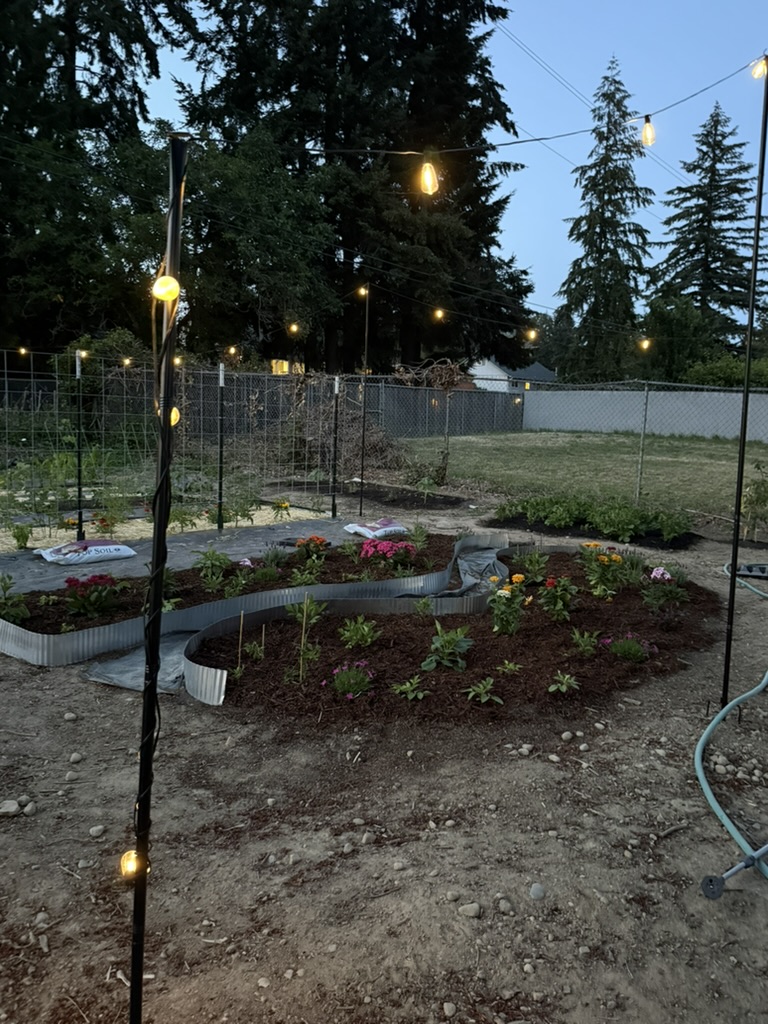
Outdoor lighting matters here because darkness arrives early for a good part of the year. A yard that disappears at 4:30 in the afternoon is hard to think of as living space.
Skip the single glaring light whenever you can. Use path and step lighting for safety, a little focused light where you eat or cook, and softer lighting near seating and plants. The goal is to make the yard feel warm and usable, not like an airport parking lot.
Plan lighting early if you are already opening up a patio or installing a structure. It is much easier to accommodate power before everything is finished than to run cords through the yard afterward.
Create Privacy Without Building a Fortress
You do not have to screen every inch of the property line to make a backyard feel private. Start with the place where you will actually sit. A few well-positioned shrubs, a small tree, or a trellis may be enough to block a direct view without making the entire yard feel dark and boxed in.
Plants such as salal, western sword fern, evergreen huckleberry, and Oregon grape can work beautifully in Pacific Northwest gardens when the light, soil, and available space are right. Native does not mean maintenance-free, though, and no plant belongs in every yard.
Look at what you already have before clearing everything. Mature plants can provide privacy, shade, habitat, and structure that would take years to replace. On the other hand, ivy and blackberries do not need to be preserved simply because they arrived first. I have made enough questionable gardening decisions to know that keeping something and removing it both deserve a little thought.
Check Out These Local Landscape Companies
If you would rather bring in professional help, these local companies have strong public reviews and experience serving Renton: Hector Landscaping & Design, Modern Living Landscaping, and North East Landscaping Services. Compare recent projects, scope, availability, and estimates to find the right fit for your yard.
Add Warmth, But Do Not Overcomplicate It
A mounted infrared heater, a movable outdoor heater, or an approved fire feature can stretch the season. But before buying the biggest heat source you can find, pay attention to wind. A protected seating area, warm cushions, and a basket of blankets may do more for comfort than trying to heat an open yard.
If you are considering a fire feature, confirm current local rules, manufacturer clearances, and any seasonal burn restrictions. Those requirements can change, and “my neighbor has one” is not the same thing as checking what applies to your setup.
Check Permits Before Materials Arrive
Some backyard improvements are simple weekend projects. Others may involve building permits, zoning rules, inspections, drainage review, or additional site requirements.
Deck height, retaining-wall height, covered structures, electrical work, and the amount of new hard surface can all affect what is required. The details vary by property and project, so check directly with the City of Renton’s Permit Services before ordering materials or starting permanent work.
Permits are not the fun part, but neither is explaining undocumented work when you want to insure, refinance, or sell the home later. A quick conversation at the beginning can prevent a much more complicated conversation at the end.
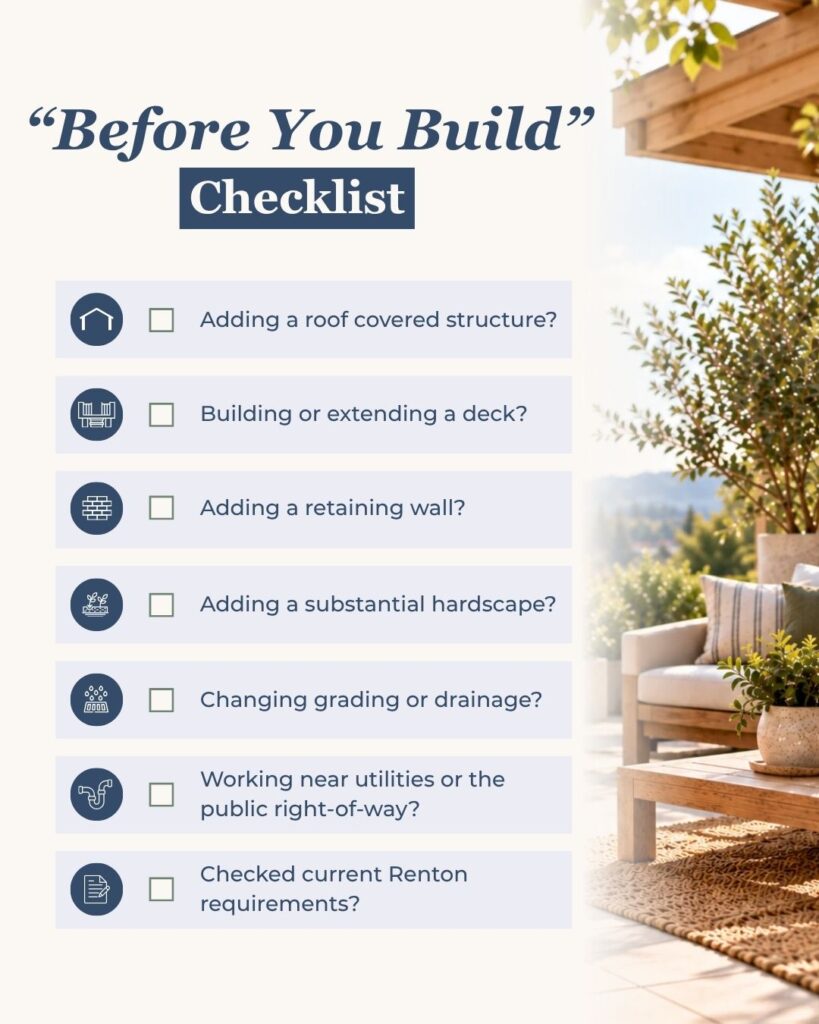
My Before-You-Build Reality Check
- What do I genuinely want to do in this space every week?
- Where will I sit when the ground is wet or the weather changes?
- Where does the water go during several days of rain?
- Will a new cover or privacy planting take away too much natural light?
- Can I safely move through the space after dark?
- Will I realistically maintain the materials and plants I am choosing?
- Am I solving a real problem, or copying a feature I saw online?
- Have I checked the current permit and safety requirements?
You do not have to finish everything at once. My garden certainly did not happen that way. Start with the thing that keeps you from using the yard now, whether it is mud, rain, darkness, or nowhere comfortable to sit, and solve that first.
Love the Yard You Have, One Project at a Time
A backyard does not have to be perfect to become one of your favorite places at home. Sometimes it needs a major plan. Sometimes it needs one dry chair, better lighting, and permission to stop comparing it with somebody else’s finished project.
Loving where you live does not always mean taking on a huge renovation. It can mean fixing the one thing that keeps you from stepping outside, learning as you go, and being willing to start ugly.
Looking for more practical, local ways to make your home work better for your life? Explore more Love Your Home Guides for ideas you can actually use.


Leave a Reply