

Helping You Love Where You Live
Living in Issaquah, Washington
Old Town charm, salmon runs and Cascade foothills, the small town that grew up without losing its roots. This is a local’s honest look at the Issaquah I grew up in, and the one it’s become.
My Issaquah Story
I claim Renton as home. But the truth is, most of my formative years happened in Issaquah.
We moved there when I was in first grade, from the Renton Highlands, and I swear the drive out felt like nothing but farmland, fields and trees and a whole lot of nothing. That drive is Coal Creek now!
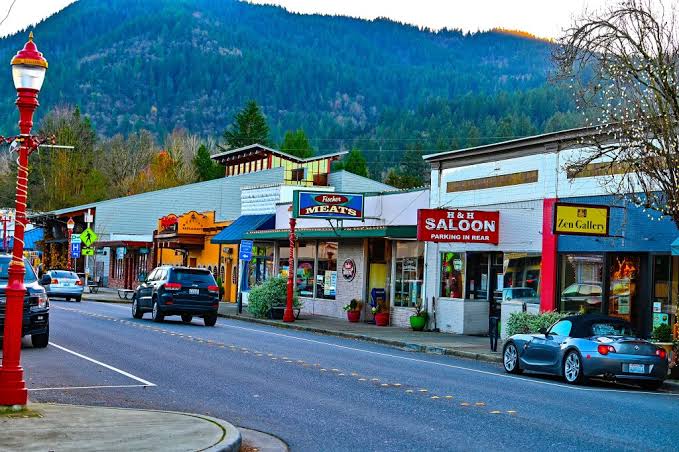
Issaquah itself was a very different place back then, an old-school little town tucked against the mountains. No one could pronounce it. And I mean no one, half the people I met had never even heard of it. Now it’s an it town, and if I’m being completely honest, I don’t always love how much it’s changed. Maybe that’s just nostalgia talking, maybe part of me will always want Issaquah to be the little town I remember. When I think about growing up there, it almost feels like another lifetime. There were so many happy memories, and some incredibly painful ones too.
My dad was diagnosed with cancer during my junior year of high school and passed away just a few months later. Looking back, it sometimes feels like my entire childhood was wrapped up in this perfect little ball, and then, right before I became an adult, it popped. Maybe that’s part of why I’ve always clung so tightly to Renton, that’s where so many of the people who held me up during that time were.
But underneath all the growth, traffic, new construction, and everything else that’s transformed Issaquah, pieces of the town I remember are still there. Gilman Village. Boehm’s Candies. The old-school places and pockets that somehow survived while everything grew up around them. I think those roots are part of what still makes Issaquah Issaquah. It may have exploded into one of the Eastside’s most sought-after communities, but it hasn’t completely lost that Pacific Northwest personality, hiking boots and Birkenstocks, North Face jackets, bikes strapped to Subarus, trails and mountains and people who actually use them.
Issaquah grew up. So did I. And even if neither of us looks quite the way I remember, I’ll always be a little bit rooted here.
Where It All Started
A Town Older Than the Highway
Long before “Issaquah Highlands” was a neighborhood, this valley had a name and a history of its own.
The Snoqualmie and Sammamish peoples lived in Squak Valley for generations before settlers arrived in the 1860s, the name Issaquah comes from “Is-qu-ah,” believed to mean the sound of birds, or a little stream. Coal was discovered here in 1862, but it wasn’t until the railroad reached town in 1887 that it became profitable to mine. The town was platted in 1888 and incorporated the following spring as Gilman, named for the man who ran the coal company. Locals never really let go of the old name, and in 1899 they petitioned to change it to Issaquah for good.
Coal is discovered
Deposits are found in the hills above the valley, though it will take 25 more years and a railroad before anyone can mine them profitably.
The town of Gilman incorporates
Named for Daniel Gilman, who ran the Seattle Coal and Iron Company mines that built the town’s early economy.
Hops give way to dairy and lumber
An aphid blight wipes out the valley’s hop farms. The Northwest Milk Condensing Company, later Darigold, opens in 1909, and Issaquah becomes one of Seattle’s biggest milk suppliers.
Gilman becomes Issaquah
Residents petition the state legislature to change the name back to something closer to the valley’s original one.
Coal fades, the town holds steady
Fuel oil replaces coal, the Depression hits logging hard, and Issaquah’s population sits around 900 for the better part of four decades.
Boehm’s Candies moves to town
Julius Boehm relocates his candy shop from Seattle, drawn by mountains that reminded him of home.
Gilman Village opens
Three pioneer houses slated for demolition are saved, relocated, and turned into a shopping village instead.
I-90 brings the second boom
Farmland turns into the Issaquah Highlands, and the sleepy town of my childhood becomes one of the Eastside’s fastest-growing cities.
From the Issaquah History Museums & Washington State Archives
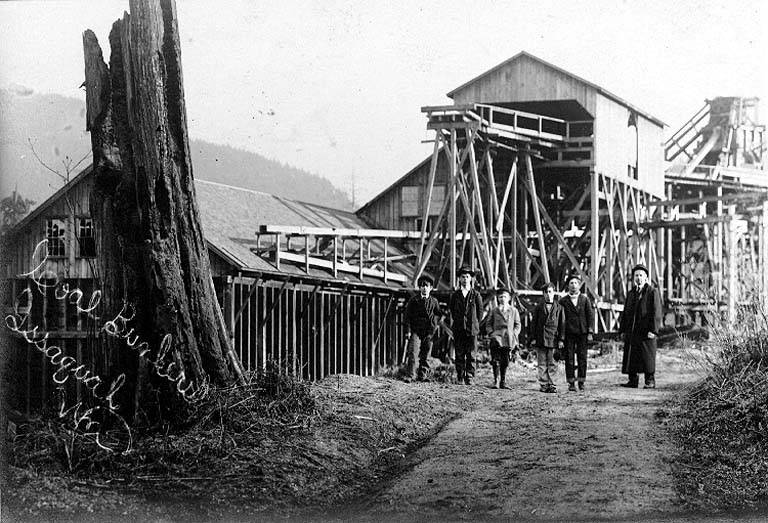 Coal bunkers, ca. 1910
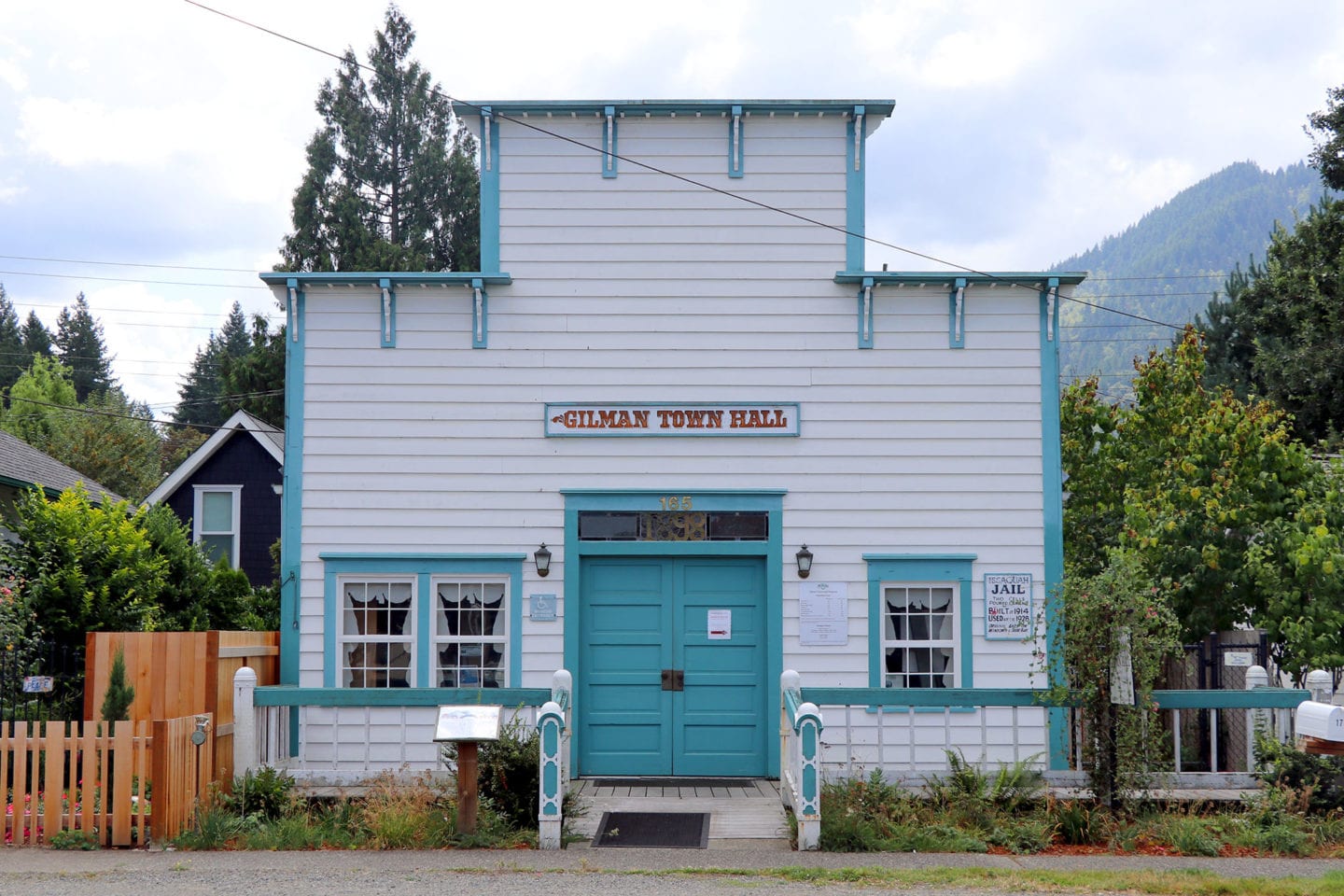 The old Gilman Town Hall
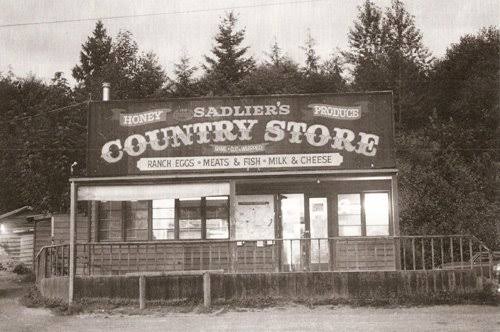 An early country store
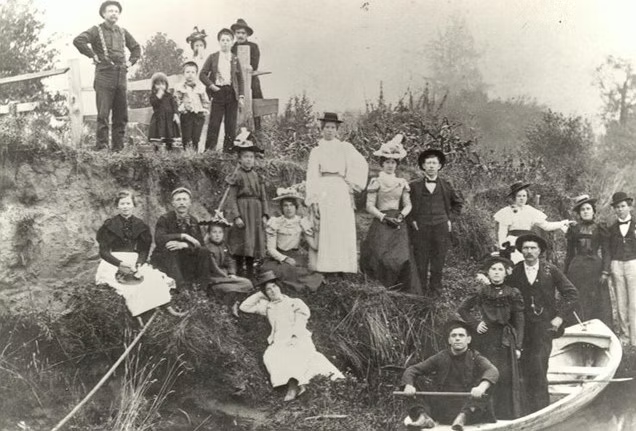 The families who built it
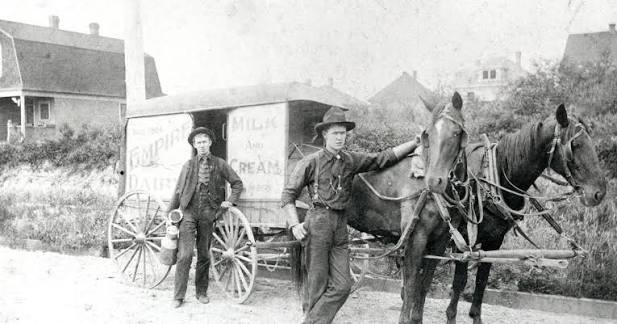 Issaquah’s dairy years
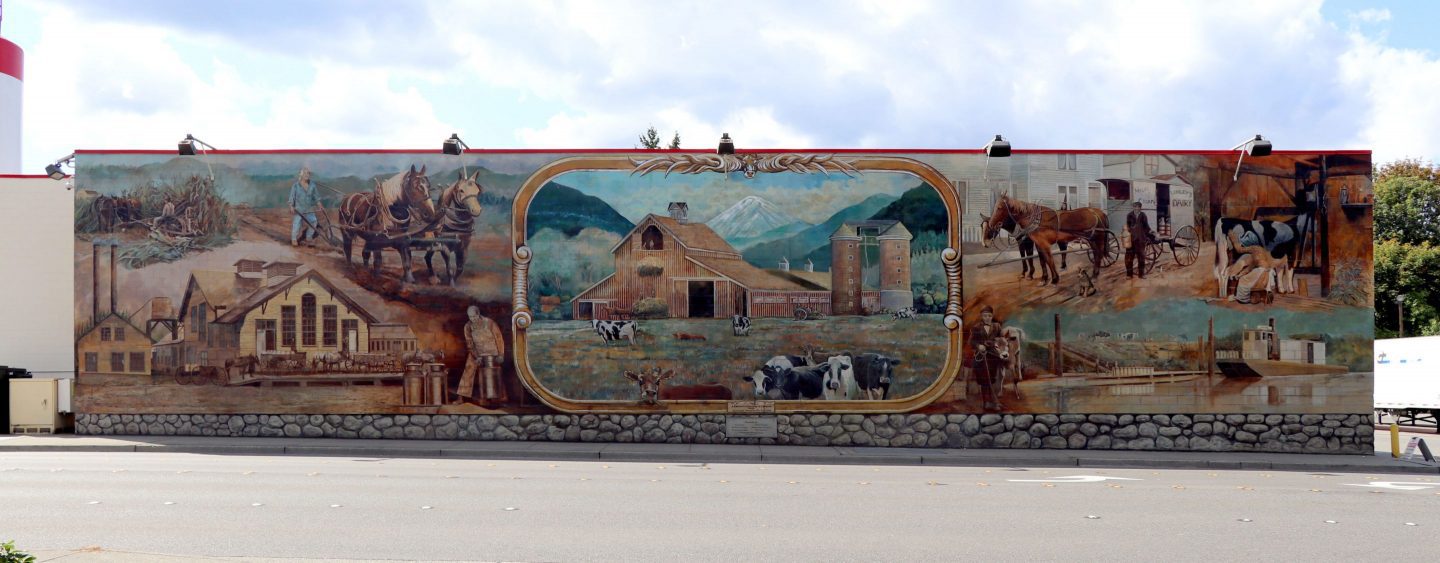 A century of dairying
Historic photos courtesy of the Issaquah History Museums, HistoryLink.org and the Washington State Archives.
A Hometown Tradition
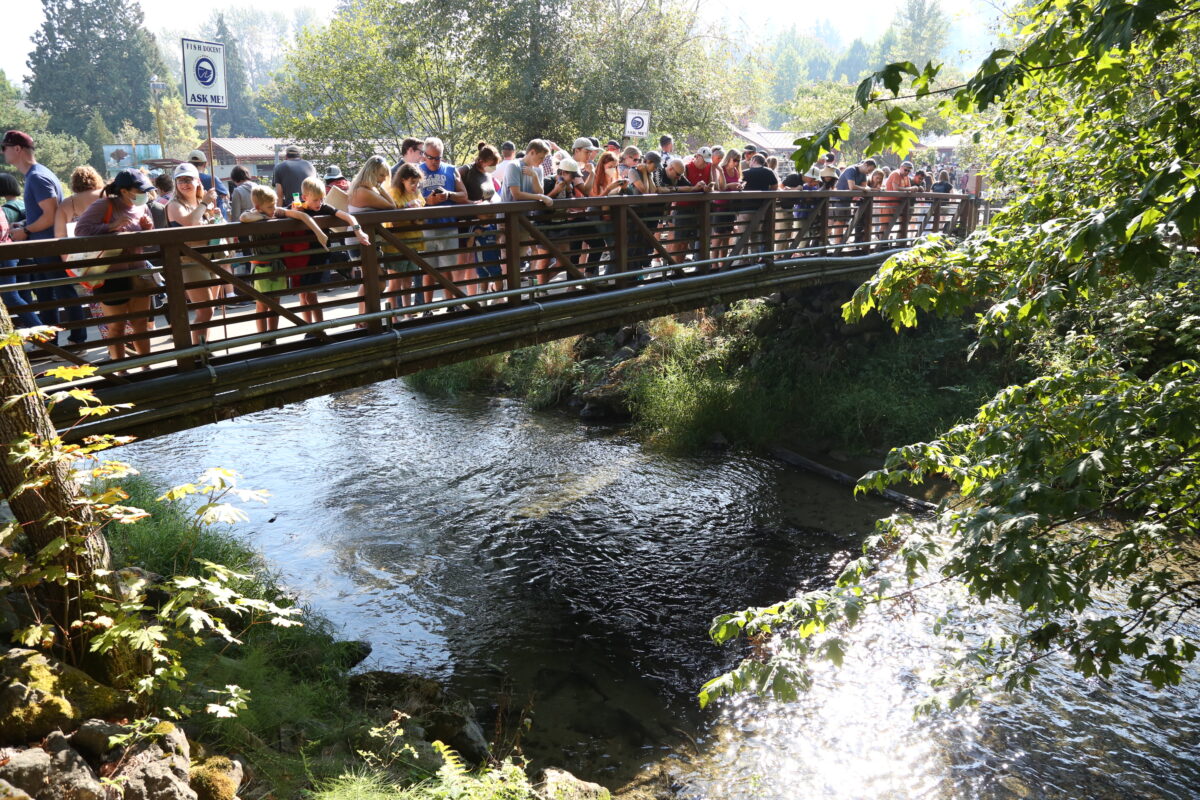
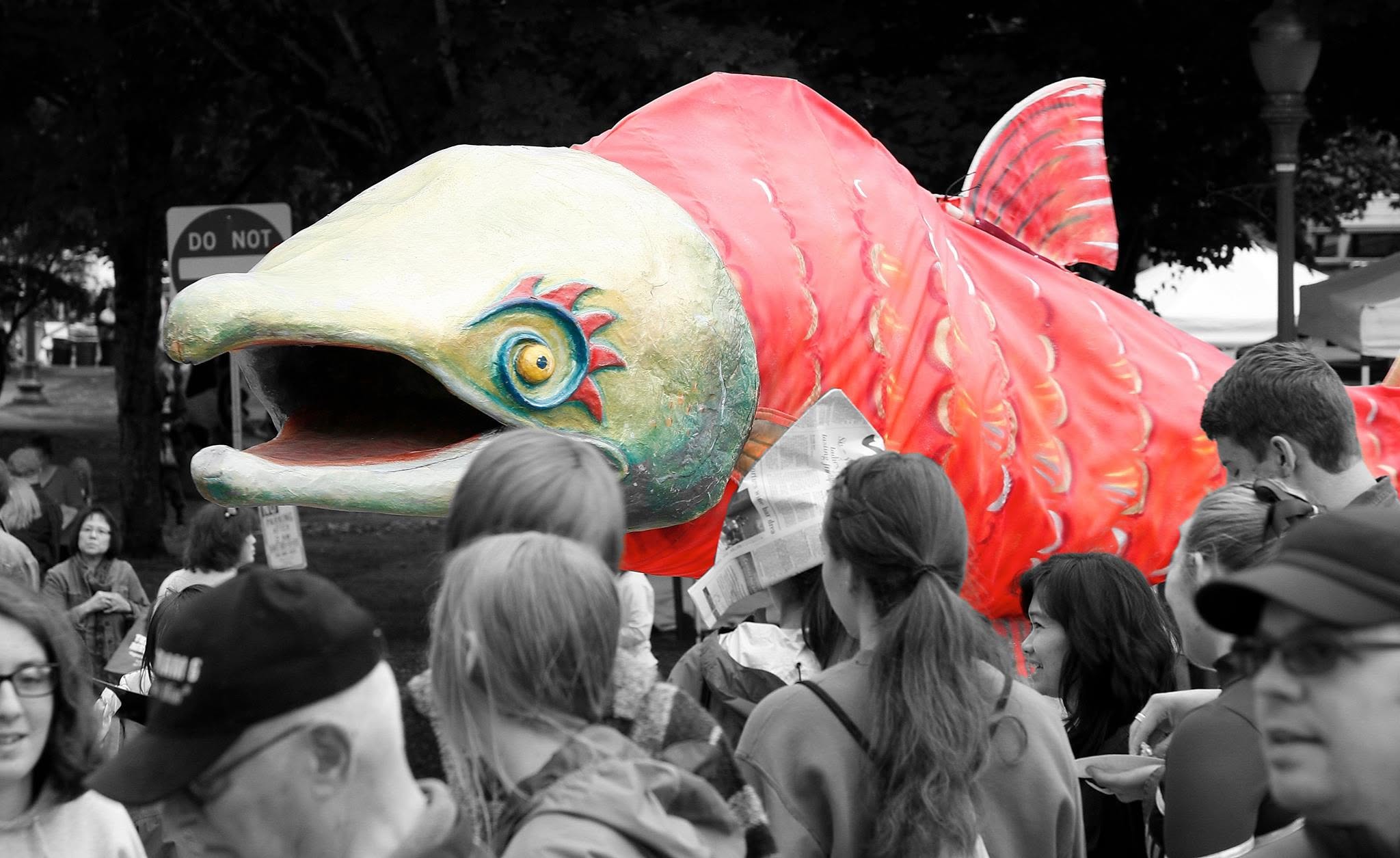
Salmon Days
Every October, the whole town shows up for the fish.
It started in 1969 as a replacement for a fading Labor Day event, dreamed up by the Chamber of Commerce to celebrate the salmon returning upstream to spawn right at the hatchery downtown. It picked up the name “Salmon Days” in 1970, and today it pulls in roughly 200,000 people over one weekend, a barbecue, an art show, a parade, and a whole lot of fish. It’s the kind of small-town tradition that somehow got bigger without losing what made it fun in the first place.
Est. 1969
Started as a Labor Day replacement
Chamber president Earl Robertson pitched a festival built around something Issaquah already had: salmon, swimming home every fall.
First Weekend of October
~200,000 visitors, one small town
By its 50th anniversary in 2014, Salmon Days was drawing 150,000 people over two days, and it’s only grown since.
Still Here
The Places That Survived the Boom
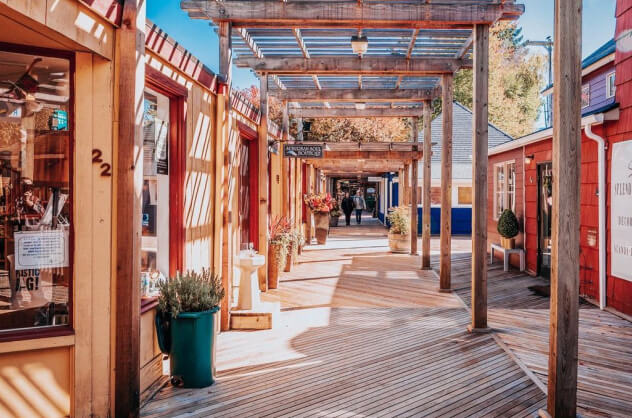
Gilman Village. Boehm’s Candies. The old-school places and little pockets that somehow survived while everything grew up around them, I think those roots are part of what still makes Issaquah Issaquah.
Gilman Village
Three pioneer houses, including the old Trigg House, were about to be bulldozed for a Safeway in 1972 when two local women, Betty Konarski and Marilyn Gray, talked the developer into relocating and reusing them instead. The first shop, The Country Mouse, opened February 1, 1973, and for years it was almost entirely women-owned businesses. It’s still one of the most charming corners of town.
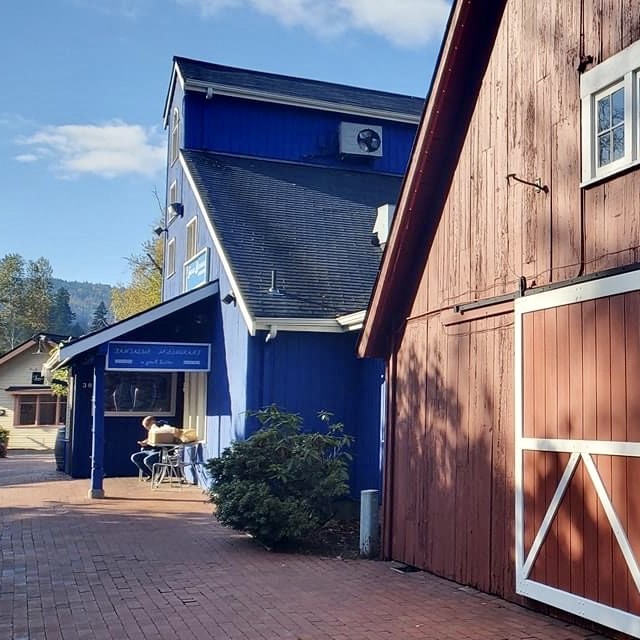
Boehm’s Candies
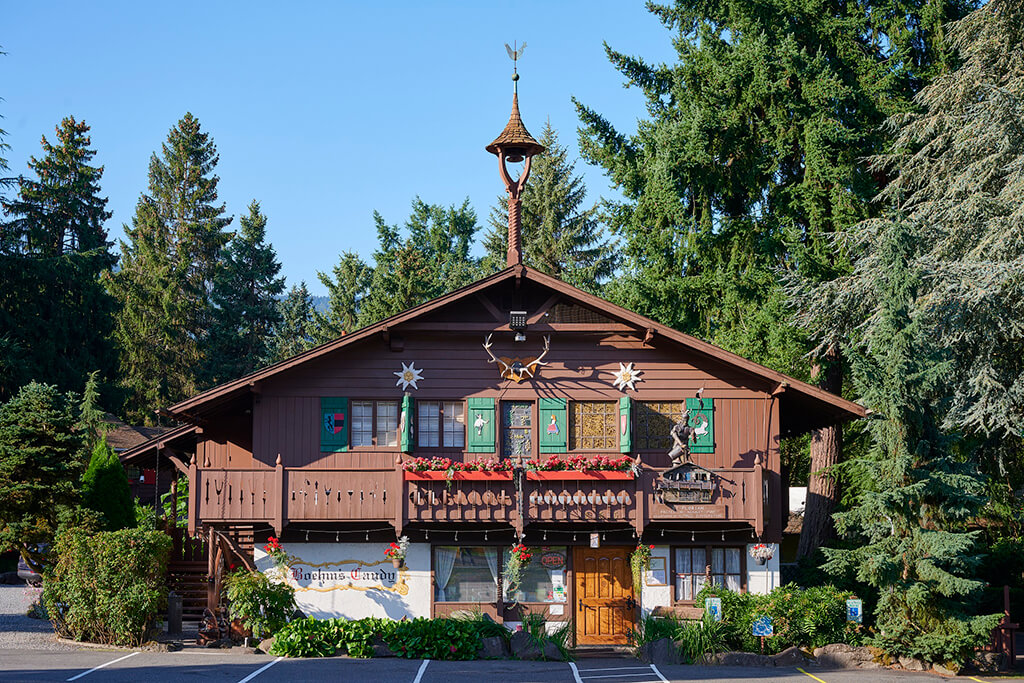
Julius Boehm, a candymaker born in Vienna, moved his shop from Seattle to the Issaquah foothills in 1956 because the mountains reminded him of home. He built the Edelweiss Chalet, the first Alpine chalet in the Northwest, and it’s been making chocolate here ever since.
Darigold
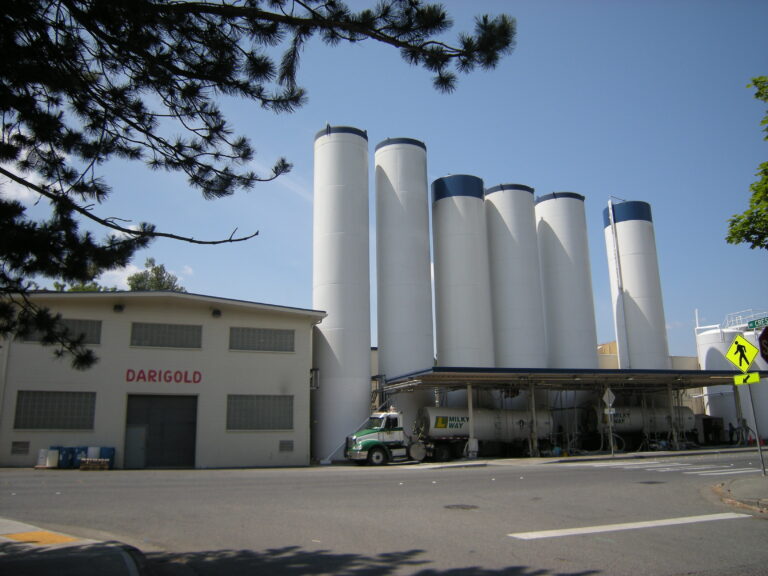
The Northwest Milk Condensing Company opened here in 1909 and later became Darigold, still processing milk not far from where it started, one of the last living threads back to the valley’s dairy boom.
Where I Actually Eat
Local Favorites
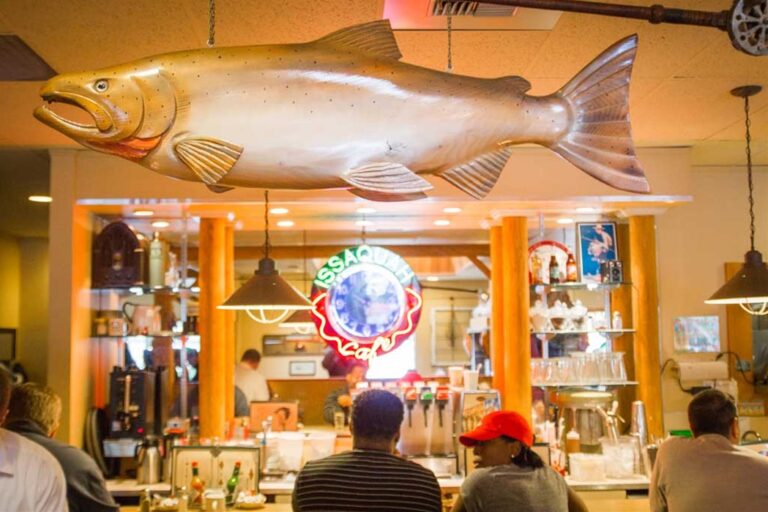
Issaquah Cafe
My go-to for the kind of breakfast that makes a morning. Classic diner comfort food, done right, in the heart of town, it’s been a local institution for decades and it still delivers every time.
Visit website →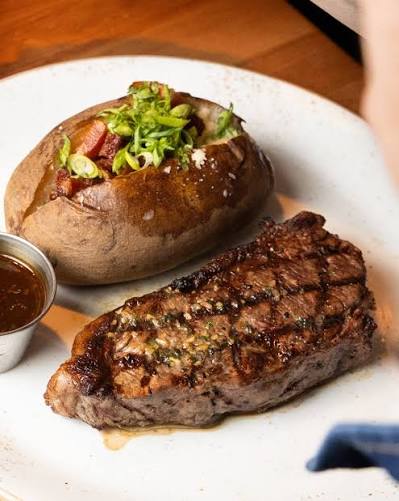
JaK’s Grill
Front Street steakhouse, and it’s not close, genuinely one of my favorite steaks in the area. Double yum, every time.
Visit website →Also Worth a Trip
New(er) Spots Worth the Wait
The Well and Table
Seasonal American plates and craft cocktails in a warm, low-key room.
Visit website →The Black Duck
A serious craft beer list, duck confit, and truffle fries worth the trip alone.
Visit website →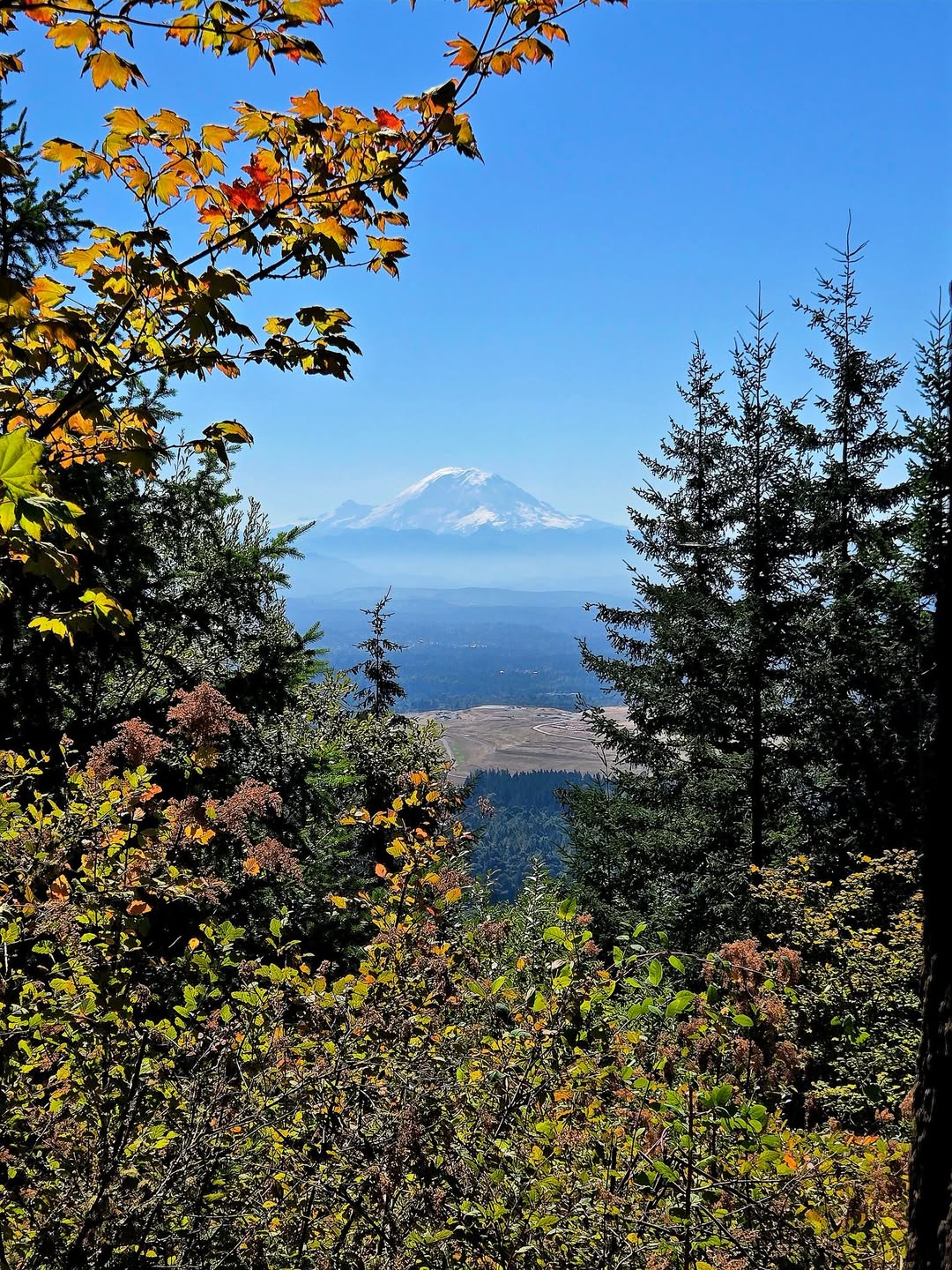
Get Outside
Trails, Mountains, and the People Who Use Them
Cougar & Squak Mountains
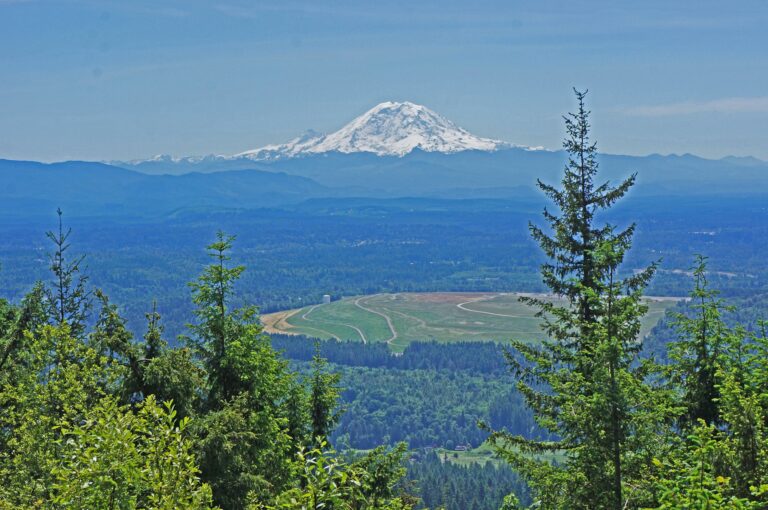
Two of the “Issaquah Alps,” with trailheads minutes from downtown and views that make the climb worth it.
Lake Sammamish State Park
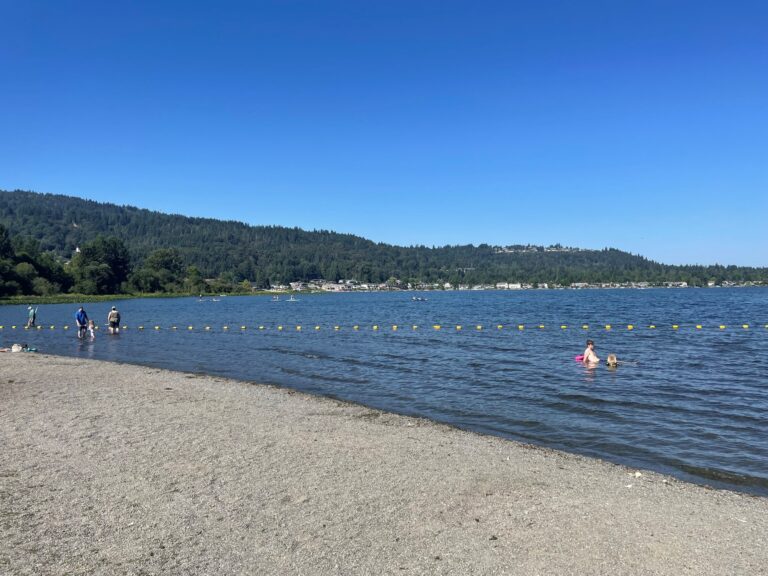
Swimming, paddling, and picnic afternoons on one of the area’s most-loved lakes.
The Issaquah Alps Trail System
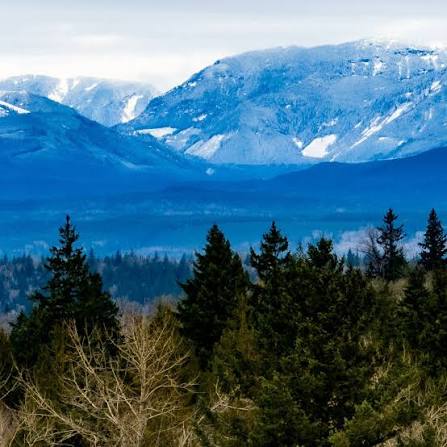
Hiking boots and Birkenstocks, bikes strapped to Subarus, this is the outdoor culture that never left.
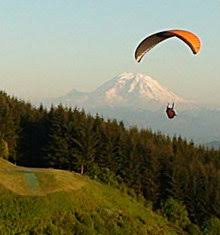
Paragliding Off Tiger Mountain
Tiger Mountain is one of the most active paragliding and hang gliding launch sites in the country, on a clear day you can look up from almost anywhere in the valley and see pilots soaring overhead.
Only in Issaquah
Meet Jakob Two-Trees
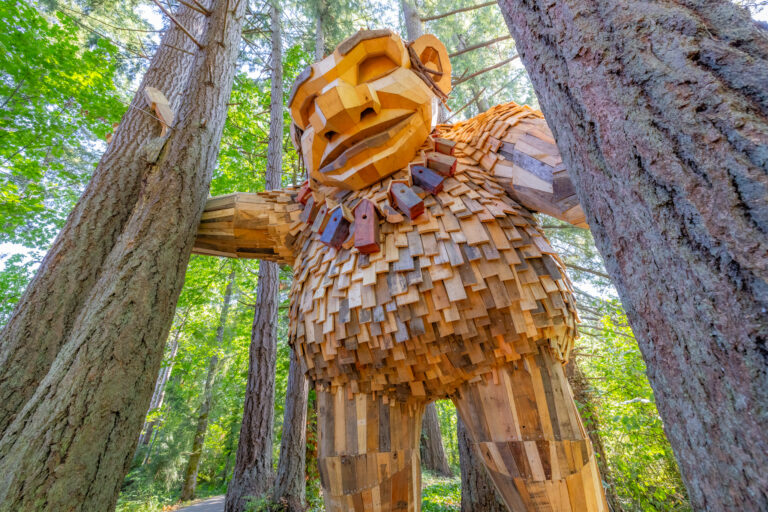
A 14-foot troll built from reclaimed wood, tucked into the trees along the Rainier Trail, because of course Issaquah has a troll.
Jakob Two-Trees is the work of Danish recycle artist Thomas Dambo, built entirely out of reclaimed and recycled materials as part of his “Way of the Bird King” series, six troll installations scattered across the Pacific Northwest, each one built around themes of environmental stewardship and watershed protection. He’s the first troll in the series with a ponytail, woven with a band crafted by the Snoqualmie Tribe, and he wears a necklace of birdhouses to invite the forest’s actual residents to move in.
On the Market Now
Current Issaquah Listings
A real snapshot of what’s for sale in Issaquah right now, from Old Town new construction to the Highlands to a mountain-foothill fixer with room to dream.
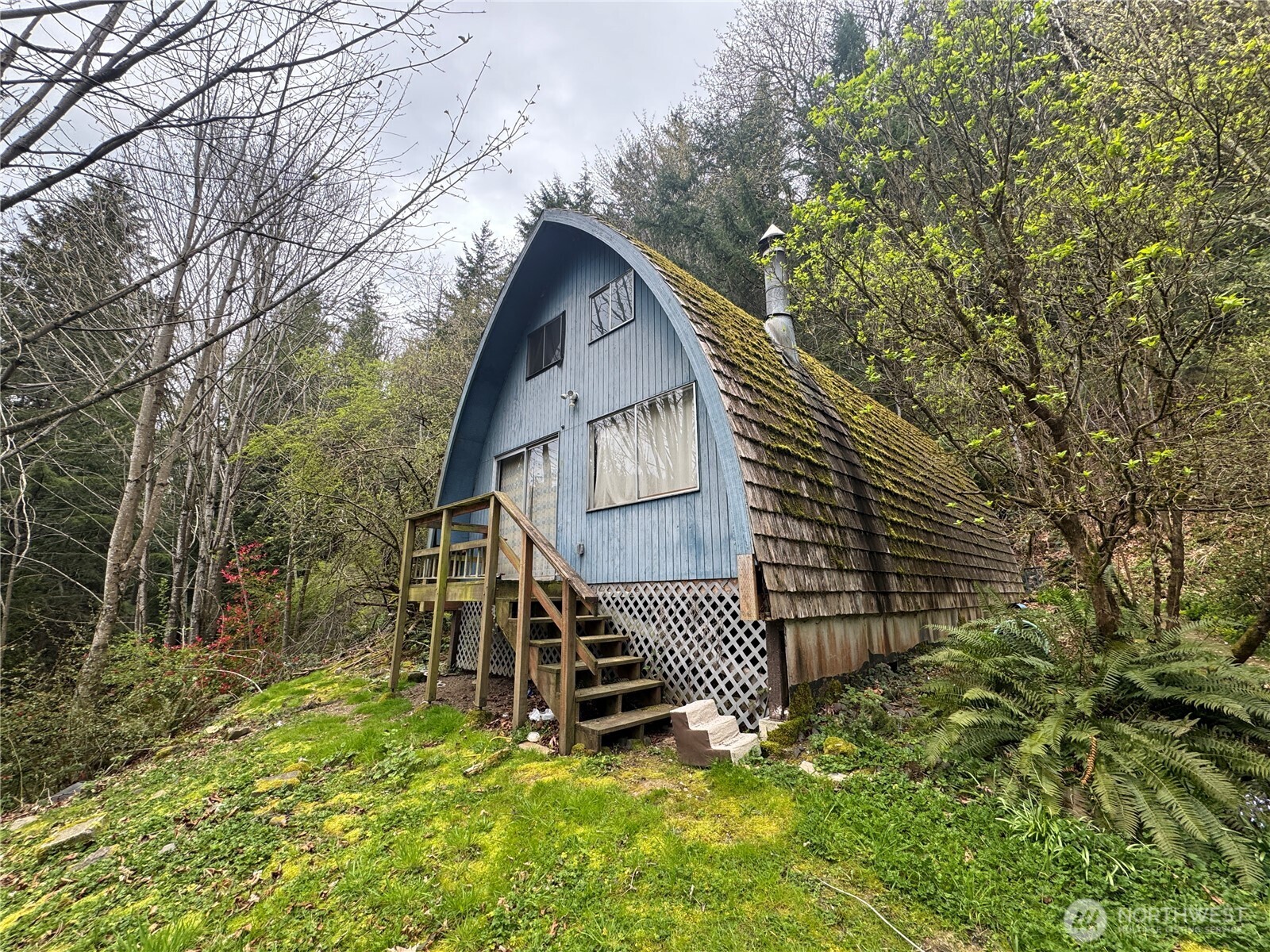
27011 SE 74th Street
$403,000 · 2 bed / 1 bath · 830 sqft
Listing courtesy of NWMLS
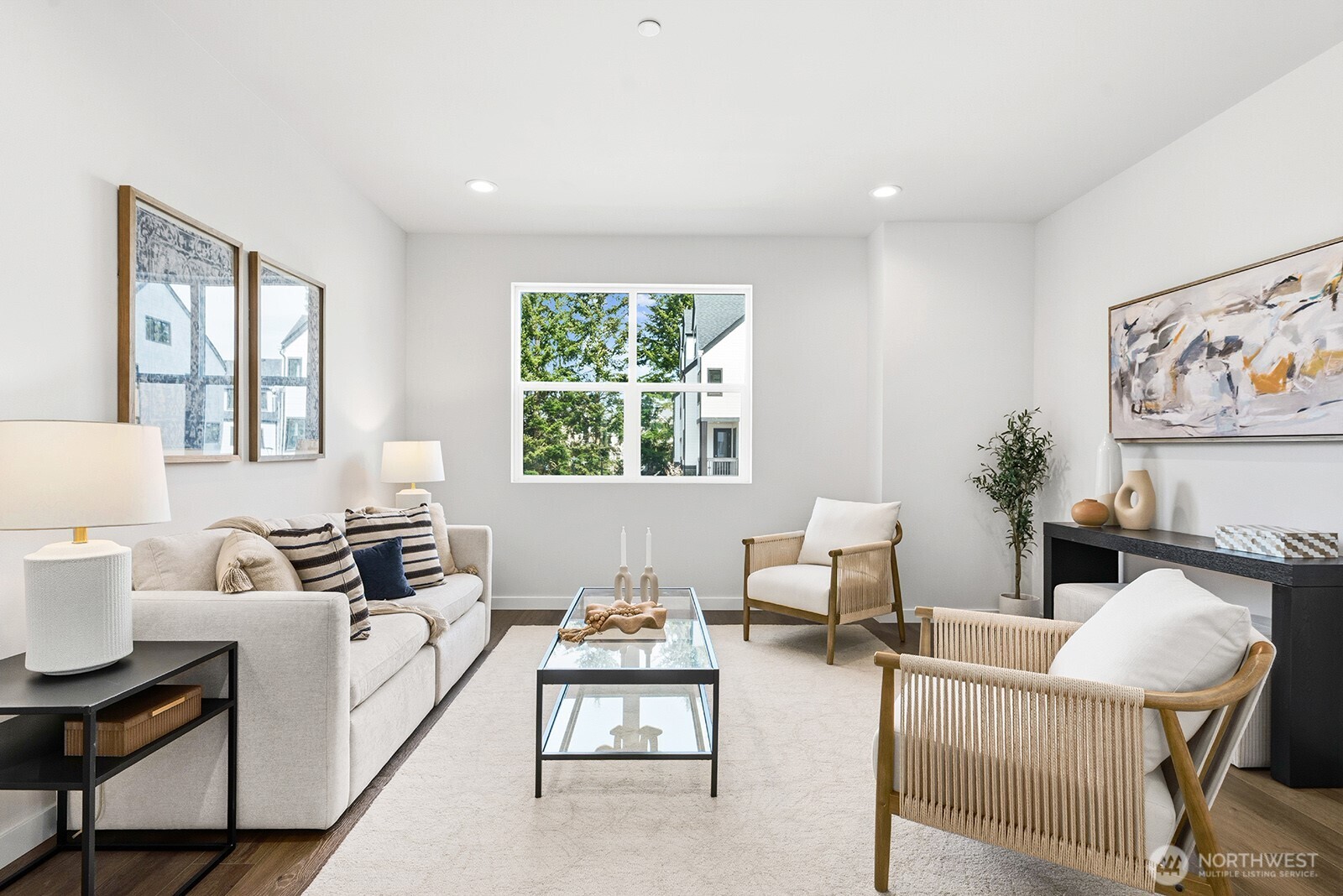
749 7th Avenue NW
$899,999 · 3 bed / 2.75 bath · 1,566 sqft
Listing courtesy of NWMLS
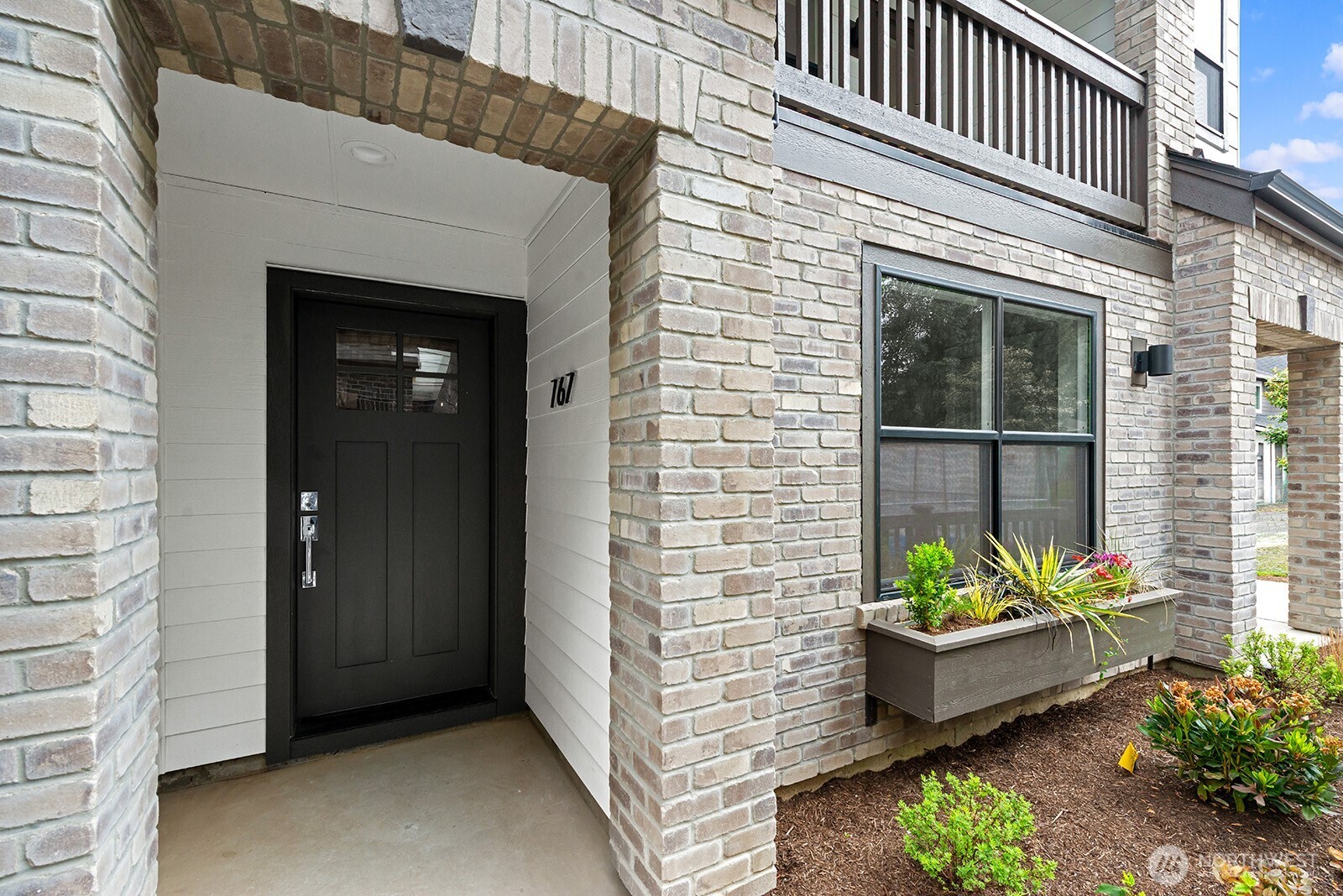
767 7th Avenue NW
$954,950 · 3 bed / 2.75 bath · 1,566 sqft
Listing courtesy of NWMLS
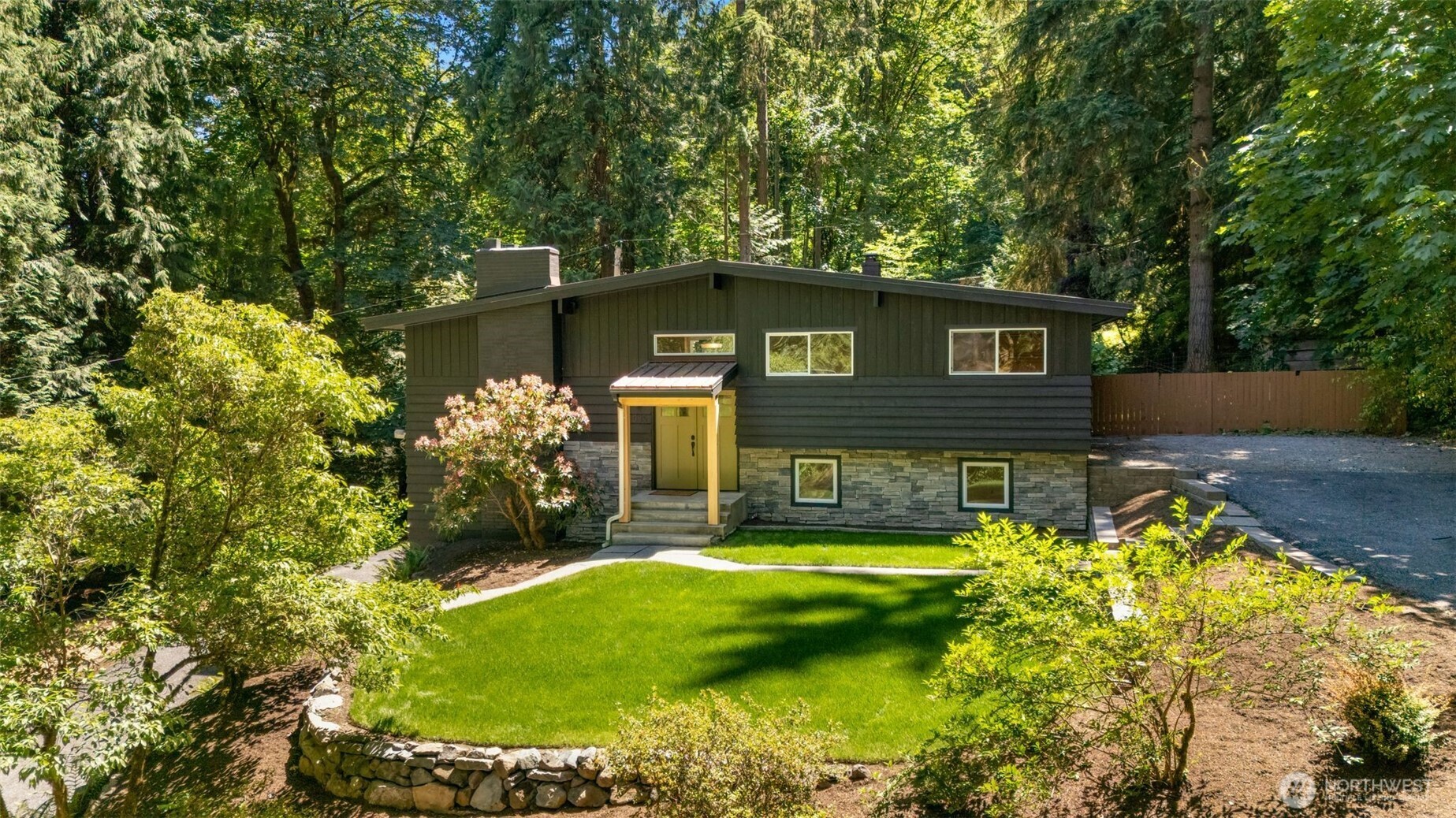
19035 SE 56th Street
$1,199,000 · 4 bed / 2.75 bath · 2,420 sqft
Listing courtesy of NWMLS
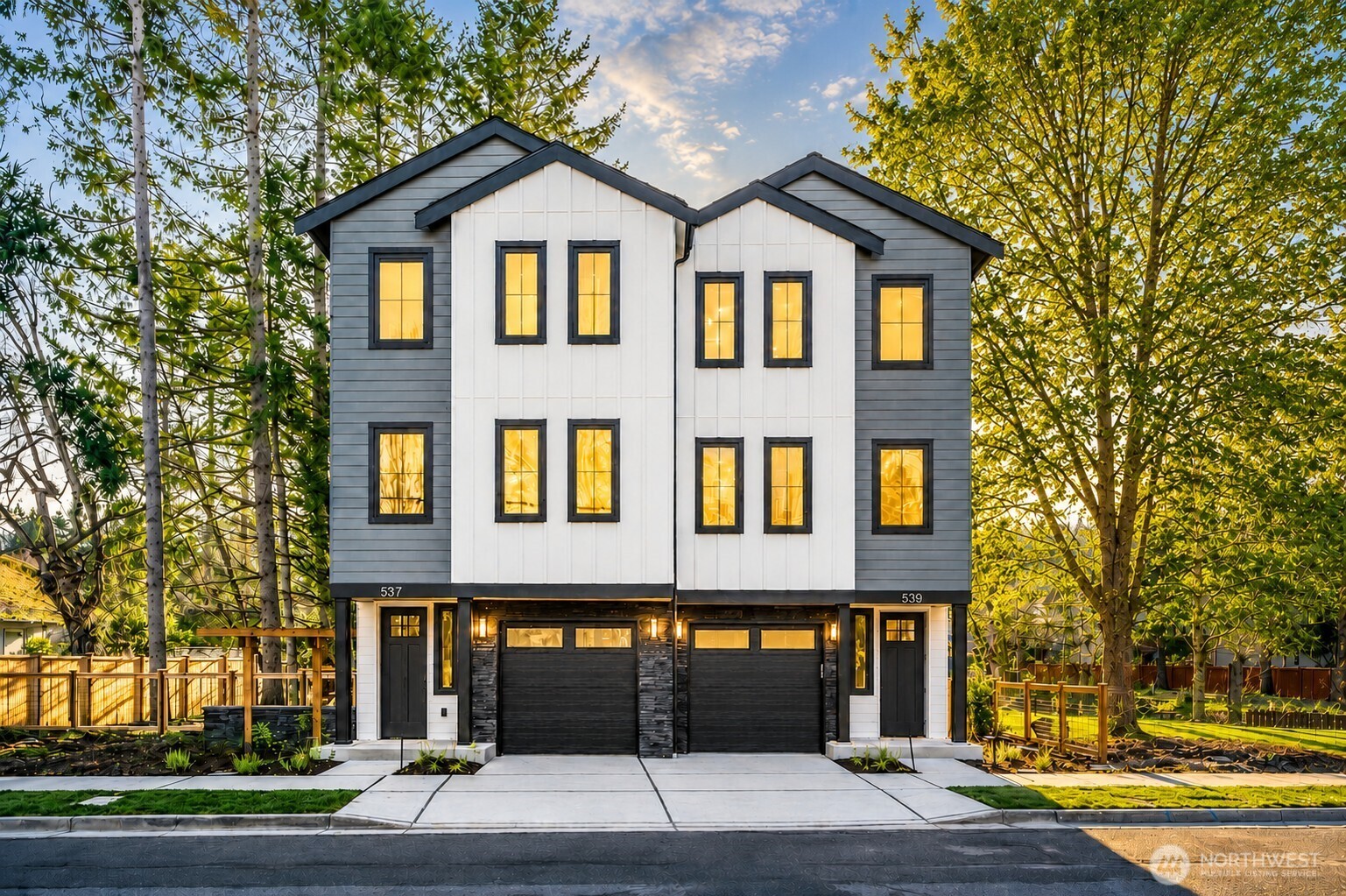
537 NW Juniper Street
$1,349,900 · 3 bed / 3.5 bath · 2,076 sqft
Listing courtesy of NWMLS
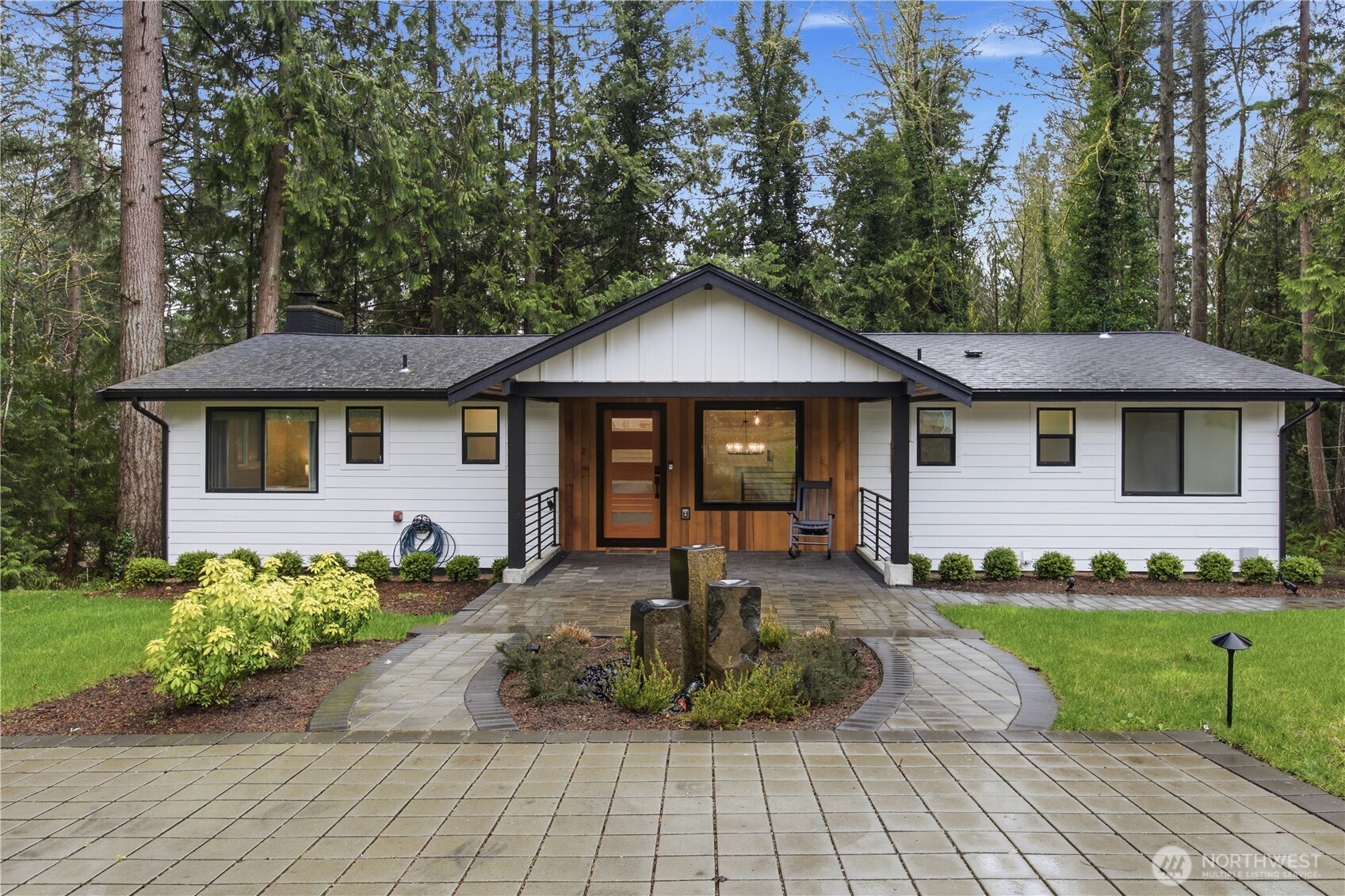
2641 271st Avenue SE
$1,488,888 · 3 bed / 2.75 bath · 3,218 sqft
Listing courtesy of NWMLS
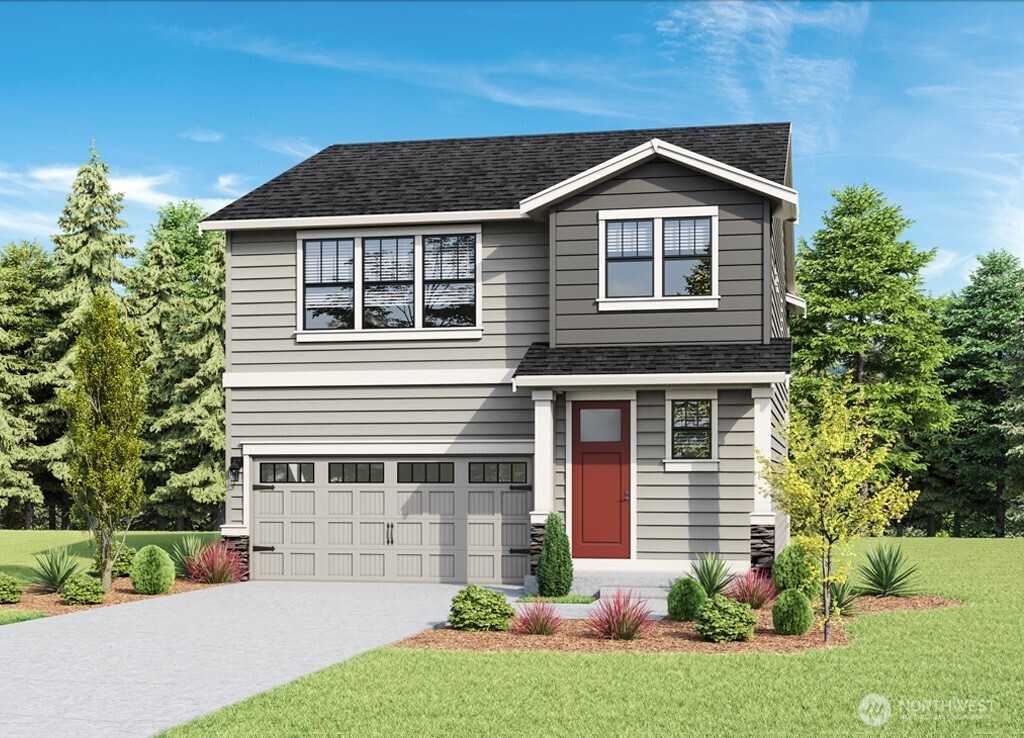
4904 237th Court NE #7
$1,674,995 · 4 bed / 3 bath · 2,840 sqft
Listing courtesy of NWMLS
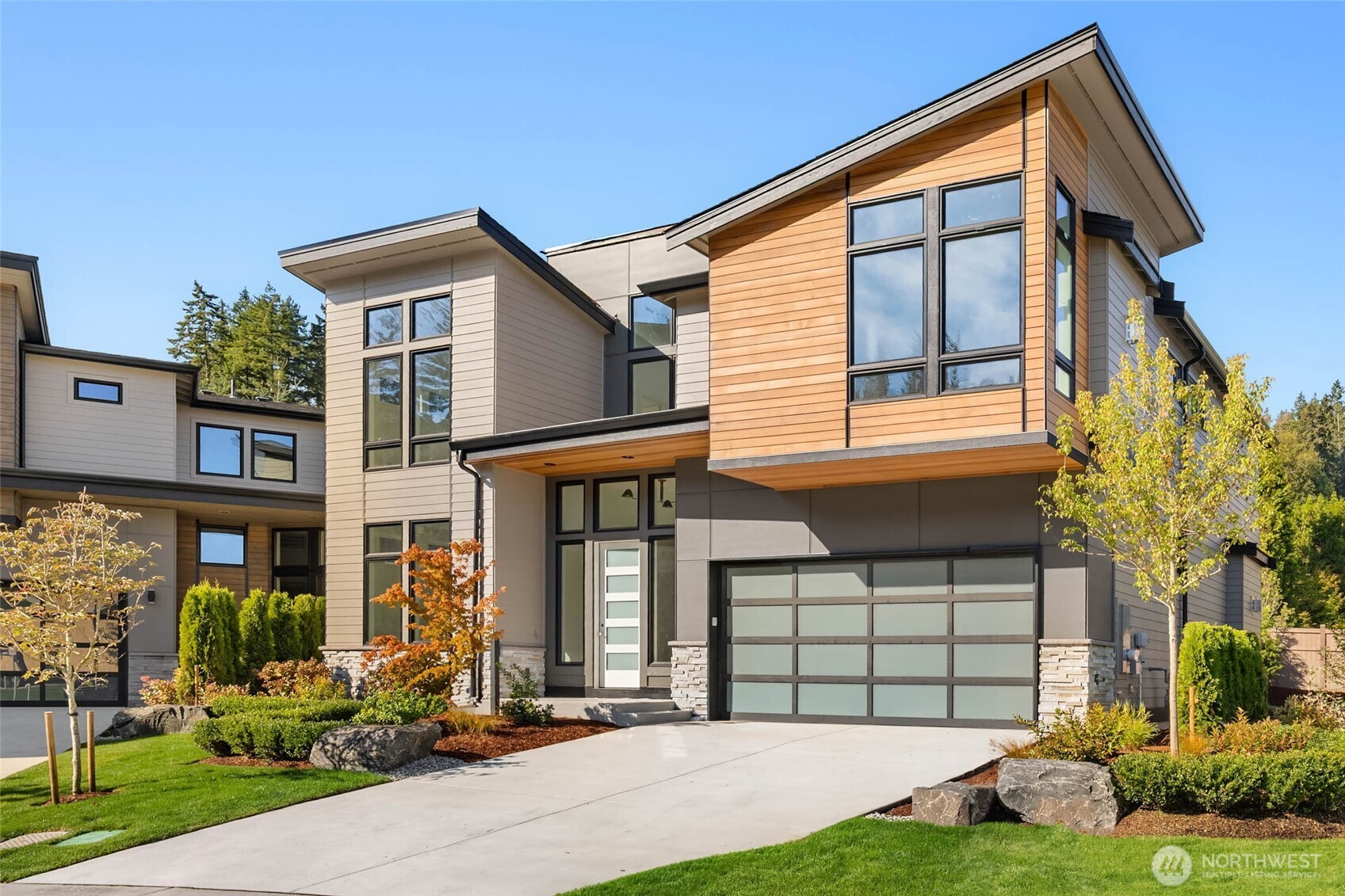
21013 SE 80th Street
$1,998,000 · 5 bed / 3.5 bath · 3,290 sqft
Listing courtesy of NWMLS
Listings sourced from Northwest MLS. Information is deemed reliable but not guaranteed and should be independently verified.
Quick Links
More Ways to Explore Issaquah
Greater Issaquah Chamber of Commerce
Local business directory, events, and community resources.
issaquahchamber.com →Rotary Club of Issaquah
The local service club supporting youth and community causes.
issaquahrotary.org →
Issaquah grew up. So did I. And even if neither of us looks quite the way I remember, I’ll always be a little bit rooted here.
Thinking About a Move to Issaquah?
Whether you grew up here too or you’re discovering it for the first time, I’d love to help you find your place in it.
Let’s ConnectMore from the journal
Read the Journal
Explore the Rooted Series
See every city guide, side by side, and find the one that fits how you actually live.
Read the guide →A Practical Seasonal Home Maintenance Checklist
A simple room-by-room routine for keeping any home running smoothly, whatever the season.
Read the checklist →The Sunday Home Reset
A calmer, more intentional way to reset your home and your week.
Read the article →
Ask Tanya
Have Issaquah Questions?
I grew up here, genuinely happy to talk through neighborhoods, schools, or whether a place is worth the price.
Get in Touch