


A home inspection is not a pass-or-fail test. It is a snapshot of the home’s visible condition on the day of the inspection, and a tool for deciding what deserves attention before you move forward.
Renton homes are wonderfully varied. You can tour a mid-century house with a crawl space in the morning, a newer townhome in the afternoon, and a hillside property with a view by evening. That variety is part of the appeal, but it also means the inspection priorities can change dramatically from one house to the next.
In our wet Pacific Northwest climate, the themes I watch most closely are water management, ventilation, aging systems, and work that may have been completed over time by different owners. None of these automatically makes a home a bad purchase. The goal is to understand the condition, the likely cost, and whether the issue changes your comfort with the home.
What a Washington home inspection does, and does not, tell you
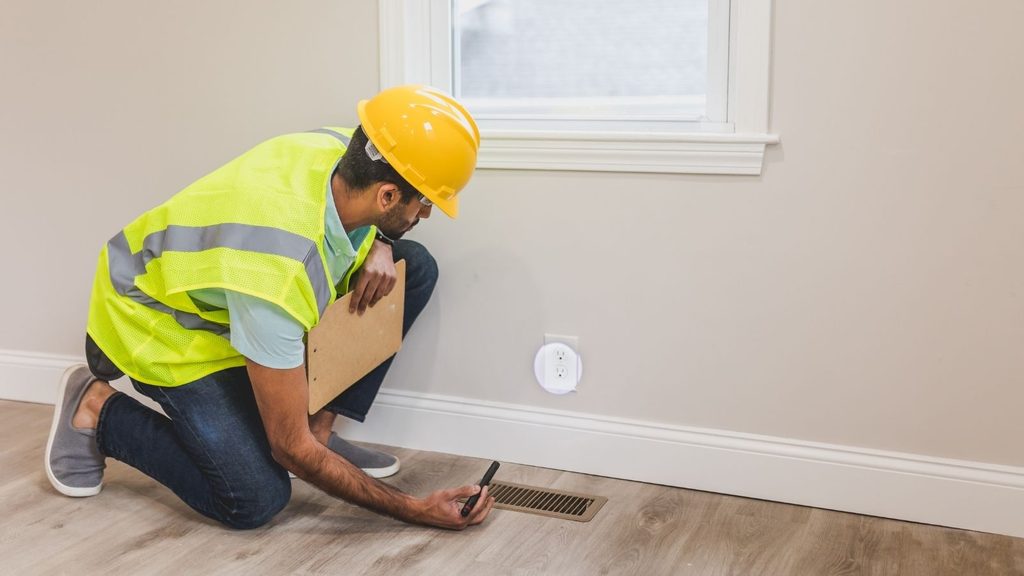
Washington licenses home inspectors and establishes standards for their work. A standard inspection is visual and non-invasive. The inspector reports on accessible systems and components, but cannot see through walls, guarantee that nothing will fail later, or replace a specialist when a condition needs deeper evaluation.
That distinction matters. “Have a roofer evaluate” is not the same as “the roof has failed.” It means the inspector found something outside the scope of a general inspection or wants a specialist to determine severity and cost.
1. Roof wear, moss and drainage
Roofs here work hard. Inspectors may note worn roofing materials, exposed fasteners, aging flashing, moss growth, debris in valleys, clogged gutters, or downspouts that discharge too close to the foundation.

What I want to know:
- Is there evidence of active leaking?
- What is the approximate remaining useful life?
- Is the concern routine maintenance, a repair, or likely replacement?
- Are the gutters and downspouts moving water away from the house?
A mossy roof is not automatically a failed roof, and a clean-looking roof is not automatically a healthy one. The combination of material, age, installation, flashing and drainage matters more than appearance alone.
2. Crawl-space moisture and standing water
Many Renton-area homes have crawl spaces, and they deserve attention. An inspector may find damp soil, standing water, damaged vapor barrier, missing insulation, disconnected ducts, wood debris, pest evidence or signs of past moisture.
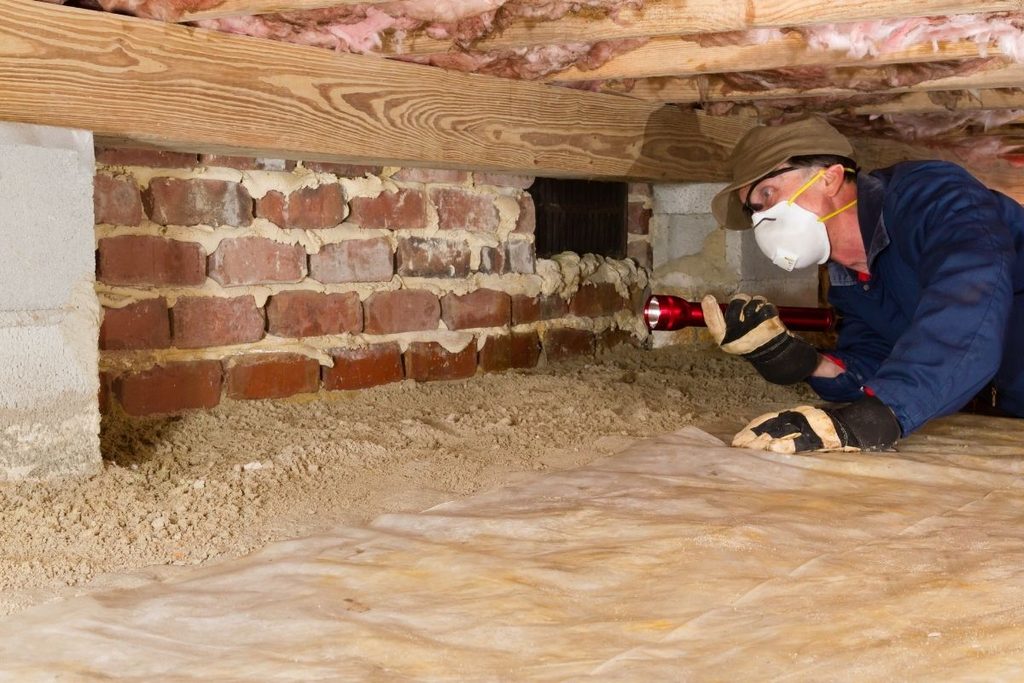
The most useful next question is: where is the water coming from? It may be related to grading, downspouts, plumbing, groundwater, ventilation or a combination of factors. A specialist can help separate a one-time condition from an ongoing drainage problem.
Water is the issue to solve; mold is often a symptom. The EPA’s guidance is simple: control moisture, correct leaks and dry wet areas quickly.
3. Grading, gutters and water moving toward the house
The lot can be as important as the structure. Soil that slopes toward the foundation, short downspout extensions, clogged drains, low points beside the house and retaining-wall concerns can all contribute to moisture.
On sloped or terraced Renton properties, ask how water travels during a real rain, not only on a dry inspection day. Look for:
- Soil or hardscape directing water toward the home
- Downspouts ending beside the foundation
- Ponding or erosion
- Staining on foundation walls
- Retaining walls that lean, crack or lack visible drainage
- Sump pumps or drainage systems with unclear maintenance history
A drainage contractor, structural engineer or geotechnical professional may be appropriate depending on what the inspector observes.
4. Electrical updates and do-it-yourself work
Older homes may have a mix of original wiring, later upgrades and homeowner projects. Reports commonly call out open junction boxes, missing GFCI protection, reversed polarity, double-tapped breakers, uncovered wiring, older panels or outlets that are not grounded.

Electrical findings should be sorted into three groups:
- Immediate safety items
- Updates that improve modern use and protection
- Observations that need an electrician to determine scope
Do not assume every older component must be replaced, but do not minimize safety concerns. Ask a licensed electrician for an estimate when the report identifies panel, service, grounding or wiring questions.
5. Plumbing leaks, aging components and water heaters
Small plumbing problems can create large moisture problems when they continue unnoticed. Inspectors may find active drips, corroded connections, loose toilets, slow drains, missing water-heater restraints, improper discharge piping, aging supply lines or evidence of a prior leak.
For older properties, I may also discuss whether a sewer scope makes sense. A standard home inspection generally does not show the inside of the private sewer line. Tree roots, offsets, cracks and older pipe materials can matter even when every sink appears to drain normally.
6. Bathroom, kitchen and attic ventilation
Moisture created inside the home needs a path outside. Common report items include bathroom fans that do not work, fans venting into the attic, dryer ducts that are loose or restricted, kitchen exhaust that recirculates, or attic staining that warrants investigation.
Look beyond whether a fan makes noise. Confirm that it moves air and terminates where it should. Improving ventilation can be a relatively manageable repair, but it is especially important when there is already condensation, staining or elevated moisture.
7. Windows, exterior trim and localized wood damage
Inspectors may note failed window seals, difficult operation, cracked caulking, soft trim, peeling paint or areas where siding and soil are too close together. These findings range from cosmetic maintenance to evidence of recurring water entry.
The right response depends on cause and extent:
- Failed glass seal: often a comfort or appearance issue
- Soft trim: determine how far deterioration extends
- Interior staining: identify whether the source is current
- Multiple affected areas: consider a broader building-envelope evaluation
8. Decks, stairs and guardrails
Decks and exterior stairs need to be both usable and safe. Reports may identify loose rails, wide openings, missing handrails, deteriorated boards, questionable ledger attachment, unsupported framing or movement.
Cosmetic wear and structural connection issues are not the same. If the concern involves how a deck attaches to the house or carries load, a qualified contractor or engineer should evaluate it.
9. Heating systems and deferred maintenance
An inspector may find a dirty filter, overdue service, damaged ductwork, older equipment, uneven performance or a system operating near the end of its expected life.
Age alone does not tell you when a furnace or heat pump will fail. I focus on:
- Is it operating today?
- Has it been maintained?
- Is there a safety concern?
- What is a realistic replacement range if it stops working?
- Does the home have any comfort issue that deserves further testing?
For expensive systems, information is leverage, even when you decide not to ask the seller for anything.
10. Pests and concealed damage
Rodent evidence, carpenter ants, damaged screens, wood-to-soil contact and gaps around penetrations may appear in a report. The inspection can identify visible clues, but a licensed pest professional may be needed to determine activity and treatment.
The repair plan should address both the pest and the access or moisture condition that allowed it.
How to read a long inspection report without panicking
Modern reports can be dozens of pages because inspectors document the home carefully. A long report does not automatically mean a bad house.

I sort the findings into five buckets:
- Safety: electrical hazards, unstable rails, combustion or fire concerns
- Active water: current leaks, standing water, damaged materials
- Structure or site: foundation, framing, retaining walls, slope or drainage
- Major systems: roof, sewer, plumbing, electrical, heating
- Maintenance: caulking, servicing, minor repairs and future planning
Then we ask three practical questions:
- What needs a specialist before the contingency deadline?
- What changes the value or risk of the purchase?
- What can reasonably become your maintenance plan after closing?
Repair request, credit or accept as-is?
The best strategy depends on the contract, seller, market, property and your priorities. Options can include requesting specific repairs, asking for a credit or price adjustment where allowed, obtaining information only, or accepting the condition.
The strongest requests are usually focused and supported:
- Identify the exact report finding
- Obtain a specialist opinion or estimate when needed
- Prioritize safety, active damage and material cost
- Avoid turning the response into a wish list of routine maintenance
- Confirm how any agreed work will be documented
I help my clients decide what is important enough to pursue, what is negotiable, and what belongs in a future-homeowner plan. The final choice is always yours.
Have an inspection report and do not know where to start? Send me the report or the sections worrying you. I will help you build a short decision list before your deadline.
Related reading
Leave a Reply