

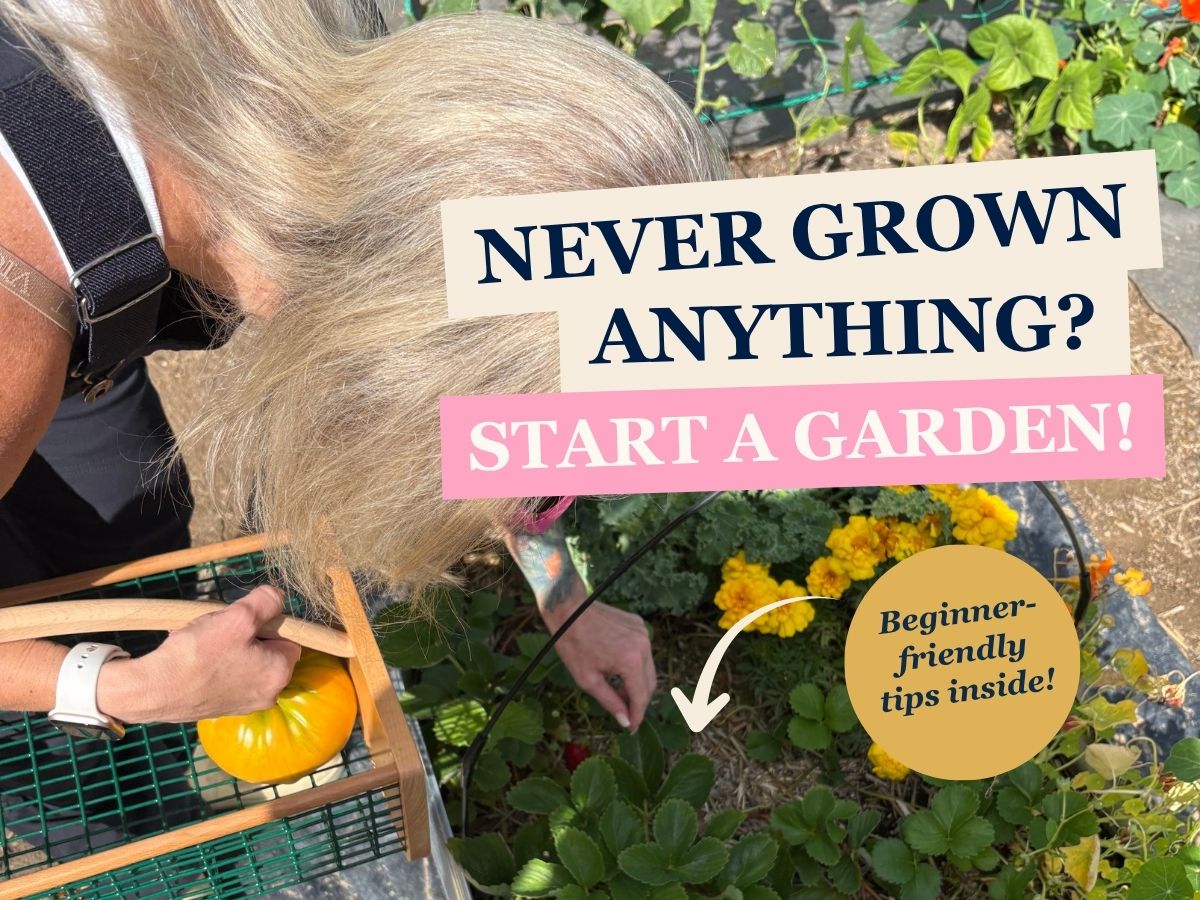
You do not need a large yard, perfect soil, or years of experience to start a garden. You need a manageable space, a few plants suited to it, and permission to learn as you go.
The easiest first garden is usually smaller than you imagine. A raised bed, several containers, or one sunny corner can teach you almost everything you need to know without becoming another overwhelming responsibility.
Start with sunlight
Watch your space for a full day before buying plants. Most vegetables and flowering herbs prefer six or more hours of direct sun. Leafy greens and many shade-tolerant ornamentals can manage with less. Notice where buildings and trees cast shadows in the morning and afternoon.
Choose the simplest garden format
- Containers: Best for patios, balconies, renters, and anyone who wants maximum control.
- Raised beds: Easier to fill with good soil and simpler to maintain than a large in-ground plot.
- In-ground beds: Economical for larger areas, but existing soil may need compost and preparation.
Make sure every container has drainage holes. Roots need water, but they also need air.
Begin with good soil
Garden soil is not the same as potting mix. Use potting mix in containers and a raised-bed blend in raised beds. Add finished compost to improve structure and provide organic matter. Avoid filling containers with heavy soil dug directly from the yard.
Grow what you use
Choose a short list based on what you actually eat or enjoy seeing. Easy starting choices include lettuce, kale, radishes, bush beans, cherry tomatoes, chives, mint in its own pot, parsley, marigolds, and nasturtiums.
Buy healthy starter plants for crops such as tomatoes and herbs if starting seeds feels like too much. There is no prize for making the first season harder.
Read the plant tag
The tag tells you how much sun, water, and mature space a plant needs. That tiny tomato plant may eventually become several feet wide. Give plants the recommended room so air can circulate and roots do not have to compete unnecessarily.
Water deeply, not automatically
Check the soil with your finger. If the top inch feels dry, water slowly until moisture reaches the roots. Containers dry more quickly than raised beds, especially during warm or windy weather. Early morning is usually an efficient time to water.
Expect a few failures
Every gardener loses plants. Weather changes, pests arrive, seeds fail to germinate, and sometimes a plant simply does not thrive. Treat each problem as information. Notice what worked, take a photo, and adjust next season.
Your first-week checklist
- Observe the sunlight.
- Choose one small growing area.
- Buy the correct soil and containers or prepare one bed.
- Select three to five easy plants.
- Plant according to spacing instructions.
- Check moisture regularly without overwatering.
- Keep a simple note about what you planted and when.
A garden becomes personal over time. Start small enough that tending it feels like a pleasure, then expand only when you want more.
Leave a Reply